
How to Achieve Blood Sugar Balance Naturally Without Medication
Nutrition Metabolic Health Blood Sugar
🔑 Key Takeaways
- Blood sugar balance means keeping glucose levels steady — not too high, not too low — throughout the day.
- Uncontrolled blood sugar spikes and crashes drive fatigue, brain fog, cravings, and long-term insulin resistance.
- The Core 4 Framework (Food Sequencing, Post-Meal Walks, Strength Training, Sleep/Cortisol) is the most evidence-aligned, drug-free approach.
- Eating fiber and protein before carbohydrates can blunt glucose spikes by up to 73%.
- Even a 10-minute walk after eating significantly flattens the glucose curve.
- Non-diabetics can now use a Continuous Glucose Monitor (CGM) to see their real-time glucose response to food and lifestyle habits.
You’ve probably felt it: the afternoon energy crash, the mid-morning fog, the inexplicable craving for something sweet right after lunch. These aren’t random quirks — they’re your body broadcasting a blood sugar imbalance. If you’re searching for how to stabilize blood sugar naturally, you’re in the right place.
This guide breaks down the science, the symptoms, and a practical framework you can start using today, whether you have diabetes, prediabetes, or simply want to optimize your energy and metabolism.
What Is Blood Sugar Balance?
According to the Centers for Disease Control and Prevention, blood glucose is the primary source of energy for your body’s cells and is regulated by insulin. The American Diabetes Association also explains how glucose tests are used to identify prediabetes and diabetes.
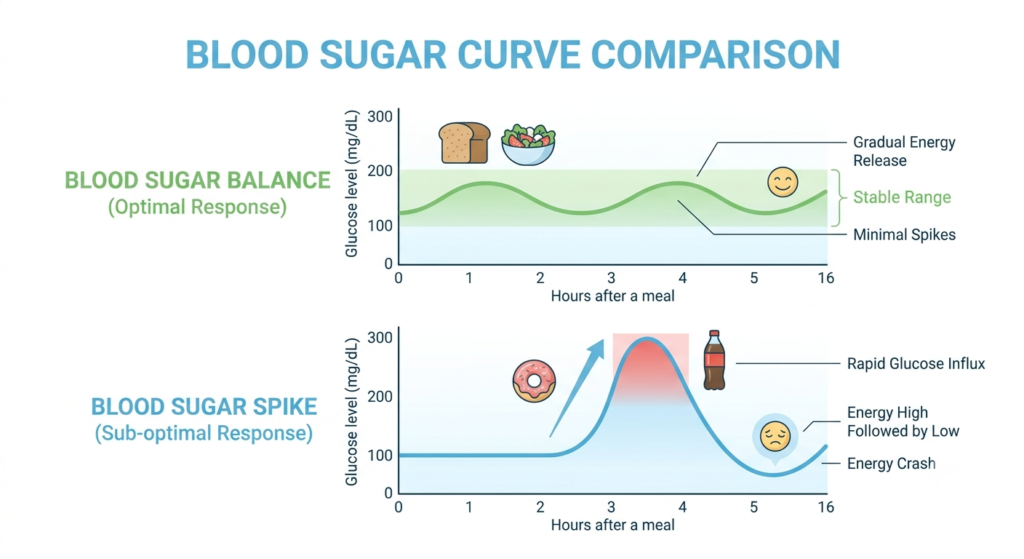
Normal fasting blood glucose is generally between 70–99 mg/dL. A level of 100–125 mg/dL may indicate prediabetes, while 126 mg/dL or higher on two separate tests indicates diabetes. Blood sugar balance refers to maintaining glucose within a healthy, stable range throughout the day — avoiding dramatic peaks and dangerous drops.
The glucose curve — a graph of how your blood sugar rises and falls in response to food — is the visual heartbeat of your metabolic health. A flat, gentle curve suggests better balance, while a sharp rollercoaster suggests the opposite.
The Rollercoaster Symptoms
Blood sugar spikes and crashes don’t always feel dramatic. Often, they show up as ordinary daily annoyances.
After a spike, you may notice:
- Sudden energy followed by a crash.
- Difficulty concentrating or brain fog.
- Increased thirst or frequent urination.
- Anxiety or irritability.
- Blurry vision.
After a crash, you may notice:
- Afternoon fatigue.
- Sugar or carb cravings.
- Shakiness or heart palpitations.
- Headaches.
- Mood swings or feeling hangry.
If several of these sound familiar, your glucose curve may need attention.

The Core 4 Framework
After reviewing the research on metabolic health, we developed the Core 4 Framework — a four-pillar system for supporting long-term blood sugar balance without medication. Think of it as a simple operating system for your metabolism.
1. Food Sequencing
The order in which you eat matters for your glucose curve. In one study published in Diabetes Care, eating vegetables and protein before carbohydrates reduced post-meal glucose spikes compared with eating carbs first.
The sequence:
- Fiber first — salad, vegetables, legumes.
- Protein and fat second — meat, eggs, nuts, cheese.
- Starchy carbs last — bread, rice, pasta, fruit.

This is a practical insulin-resistance-friendly approach because fiber slows glucose absorption rather than removing carbs entirely.
2. The 10-Minute Post-Meal Walk
Your muscles are glucose-hungry, and walking activates them. A study in PMC found that post-meal walking can meaningfully improve glycemic control. Even a short walk after eating may help flatten the glucose curve.
Why it works: muscle contractions help move glucose into cells through insulin-independent pathways, which is especially useful after meals. A brisk walk around the block is enough to make a difference.

3. Muscle as a Glucose Sink
Skeletal muscle is one of the body’s biggest glucose users, so building muscle helps improve glucose handling over time. Strength training 2–3 times per week can support fasting glucose and insulin sensitivity, especially when paired with a balanced diet.
You do not need to become a powerlifter. Bodyweight training, resistance bands, and compound movements can all help increase your glucose-storage capacity.

4. Sleep and Cortisol Management
Poor sleep raises cortisol, and cortisol can increase glucose release from the liver. Over time, that can make blood sugar control harder.
Helpful cortisol-lowering habits include:
- Aim for 7–9 hours of sleep.
- Avoid blue light for 60 minutes before bed.
- Practice breathing or relaxation before sleep.
- Keep a consistent wake time.
- Limit caffeine after 1 PM.

A One-Day Meal Plan
Here is how the Core 4 principles can look in a real day of eating.
| Meal | What to Eat | Core 4 Principle |
|---|---|---|
| Breakfast | 3 scrambled eggs with sautéed spinach, 1/4 avocado, 1 slice sourdough toast eaten last | Food sequencing |
| Mid-morning snack | Almonds and celery with almond butter | Steady energy |
| Lunch | Big salad first, grilled chicken breast, then quinoa | Food sequencing + post-meal walk |
| Dinner | Roasted broccoli and zucchini, salmon, lentils, lemon tahini drizzle | High fiber + protein |
A practical habit to consider is adding a small amount of vinegar with meals, since some research suggests it may modestly reduce post-meal glucose response. That said, this should be treated as a supporting tactic, not the core strategy.
CGMs for Non-Diabetics
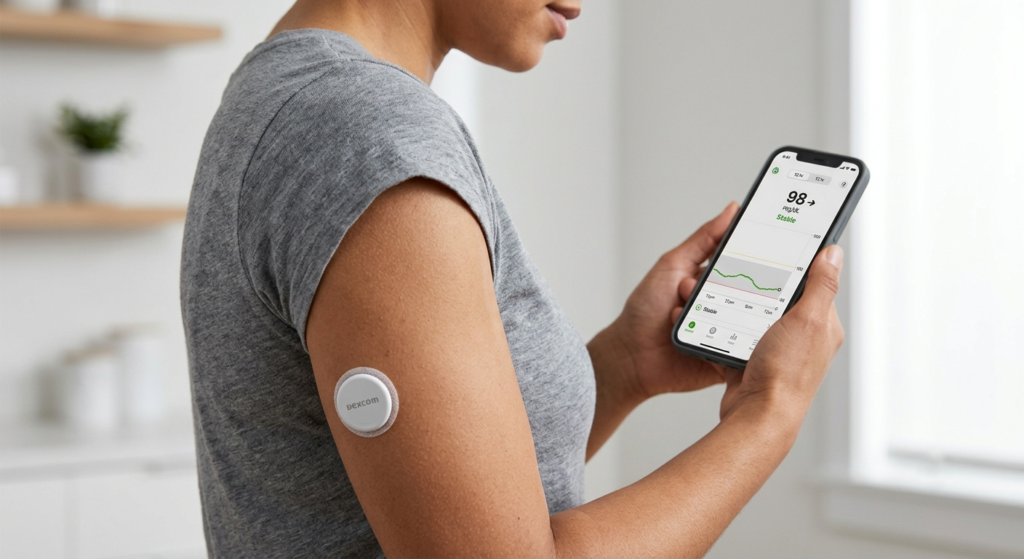
A Continuous Glucose Monitor is a small sensor worn on the body that measures glucose trends throughout the day. The CDC explains how glucose testing works, and the A1C page provides a useful overview of longer-term glucose markers.
Some metabolically healthy people use CGMs to learn how their own bodies respond to food, sleep, exercise, and stress. That can be useful for self-awareness, but it is still best interpreted in context with a qualified clinician when needed.
FAQ
What is a normal blood sugar level after eating?
The ADA and CDC both provide guidance on glucose testing and diagnostic thresholds, though exact post-meal targets can vary depending on the person and the test used. If you are consistently seeing elevated readings, it is worth discussing with a healthcare professional.diabetes+1
Can you stabilize blood sugar naturally without medication?
Yes, in many cases, especially in early insulin resistance and prediabetes. Diet quality, food sequencing, walking after meals, strength training, and sleep optimization all have evidence behind them.
What foods cause the biggest blood sugar spikes?
Processed carbohydrates eaten alone tend to create the sharpest spikes, especially sugary drinks, white bread, candy, and refined cereals. The context matters too — fiber, protein, and physical activity can change the response.
How does stress affect blood sugar levels?
Stress increases cortisol, and cortisol can raise blood glucose by signaling the liver to release stored sugar. Breathing exercises, better sleep, and lower caffeine intake can help reduce that effect.
Is fruit bad for blood sugar balance?
Whole fruit is usually fine because the fiber slows absorption. Fruit juice and dried fruit tend to raise glucose faster than whole fruit, especially when eaten alone.
What is insulin resistance?
Insulin resistance means cells respond less effectively to insulin, so the body has to produce more of it to keep glucose under control. Common warning signs include fatigue after meals, cravings, and stubborn belly fat.
Disclaimer
This article is for informational purposes only and does not constitute medical advice. Always consult a qualified healthcare professional before making significant changes to your diet, exercise, or health routine, especially if you have diabetes or another medical condition.