Cat Dental Care Tips: How to Keep Your Cat’s Teeth Healthy
Have you ever leaned in for a cozy cuddle with your purring feline friend, only to be met with a blast of overwhelmingly unpleasant breath? While it is easy to jokingly blame their favorite seafood-flavored kibble, the reality of your cat’s oral hygiene is no laughing matter. Veterinary studies suggest that a staggering 70% of cats develop some form of dental disease by the time they are just three years old.
Despite how common it is, cat dental care remains one of the most overlooked aspects of feline wellness. As natural predators, cats are masters at hiding pain. By the time your kitty stops eating or visibly paws at their mouth, a minor dental issue may have already evolved into a severe, painful condition.
Establishing a proactive routine is the secret to a happier, healthier pet. The profound oral health effects on cat longevity cannot be overstated; chronic dental infections can allow bacteria to enter the bloodstream, potentially damaging the heart, kidneys, and liver over time.
In this comprehensive guide, we will walk you through everything you need to know about feline dentistry, from mastering daily at-home care to understanding the complexities of professional veterinary treatments.
Why Feline Oral Health Matters
A cat’s mouth is the gateway to their entire body. Just like in humans, a healthy mouth is essential for a healthy life. The moment your cat finishes a meal, bacteria, saliva, and food particles begin to form a sticky film called plaque on their teeth. If this plaque is not removed, it hardens into tartar (calculus) within a matter of days.
This calculus acts as a rough surface, attracting even more plaque and bacteria, eventually pushing under the gumline. This is where the real trouble begins. Preventing feline tooth decay and periodontal disease is not just about keeping their pearly whites looking good; it is about protecting their vital organs. The bacteria trapped under inflamed gums can easily enter the bloodstream, creating a systemic inflammatory response that taxes your cat’s immune system.
Furthermore, identifying cat bad breath causes is crucial. While a mild odor is normal, a distinctly foul, rotting, or metallic smell is a massive red flag. Halitosis in cats is most frequently caused by periodontal disease, but it can also indicate underlying systemic issues like kidney disease (which causes a urine-like breath odor) or diabetes (which can cause sweet, fruity breath).
Recognizing Dental Problems in Your Cat
Because cats will instinctively eat through the pain to survive, pet owners must become vigilant detectives. You should regularly inspect your cat’s mouth and monitor their daily habits for subtle shifts.
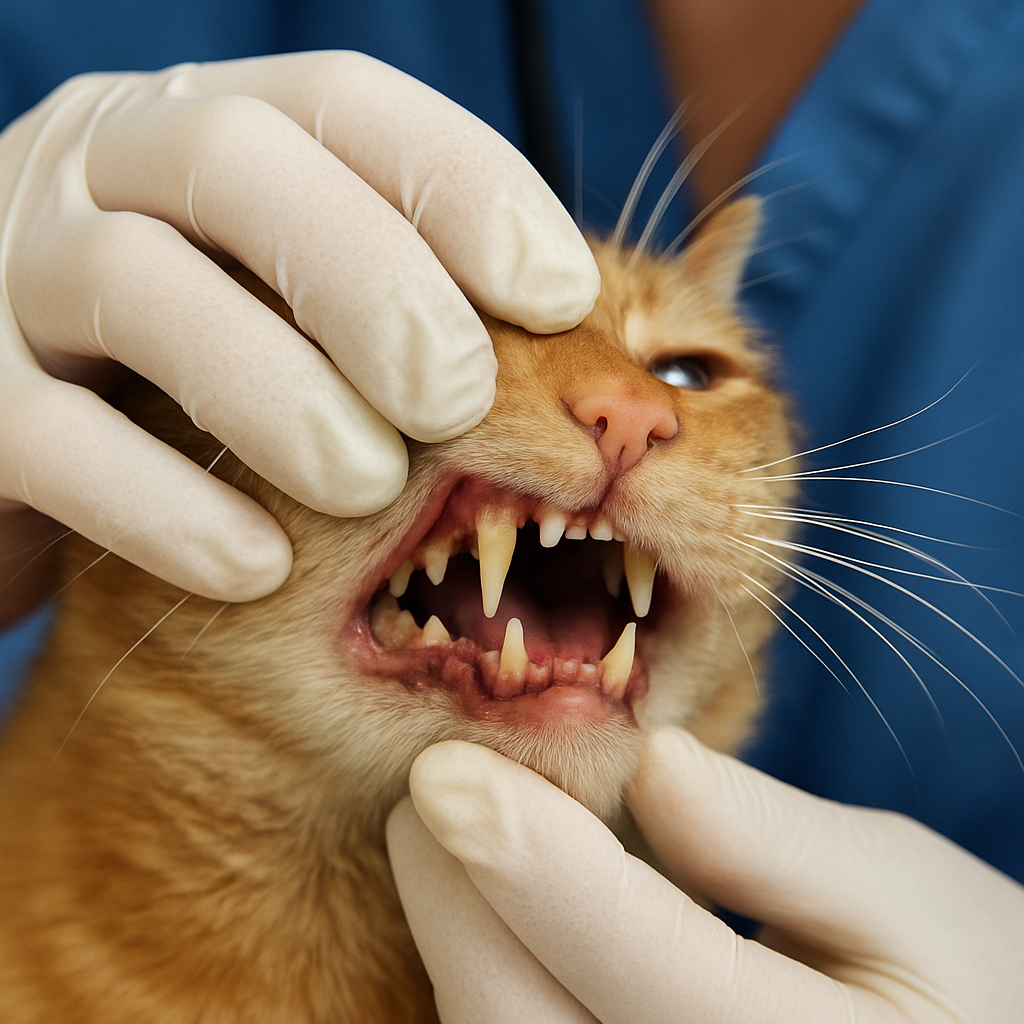
Early detection can save your cat from weeks or even months of silent suffering. Keep a close eye out for the classic signs of feline periodontal disease, which include:
- Red, swollen, or bleeding gums (especially along the gumline).
- Dropping food while chewing, or favoring one side of the mouth.
- Excessive drooling, which may occasionally be blood-tinged.
- Pawing at the face or rubbing the mouth against furniture.
- Sudden reluctance to eat dry kibble, preferring only wet food.
- Uncharacteristic aggression, hiding, or irritability.
Additionally, as periodontal disease advances, it destroys the bone and ligaments holding the teeth in place. You must be aware of the signs of loose teeth in cats, such as a visible wiggle when they chew, a chattering jaw, or teeth that appear longer than usual due to severe gum recession. as a visible wiggle when they chew, a chattering jaw, or teeth that appear longer than usual due to severe gum recession.
Specific Dental Conditions Explained
Feline dentistry involves much more than just plaque and tartar. Cats are prone to several unique, highly painful oral conditions that require specific interventions.
Gingivitis vs Stomatitis in Cats It is important to understand the difference between these two inflammatory conditions. Gingivitis is the early stage of periodontal disease, characterized by inflammation confined to the gums immediately surrounding the teeth. It is entirely reversible with proper cat teeth cleaning and home care.
Stomatitis (Feline Chronic Gingivostomatitis or FCGS), on the other hand, is a severe, widespread, and exquisitely painful inflammation of the entire mouth, including the back of the throat. Stomatitis is an overactive immune response to the plaque on the teeth. While gingivitis can be managed with brushing, stomatitis often requires aggressive medical management or, in many cases, the surgical extraction of most or all of the cat’s teeth to provide relief.
Feline Odontoclastic Resorptive Lesions (FORLs) Often referred to simply as tooth resorption, this is one of the most common and agonizing conditions a cat can face. For unknown reasons, the cat’s own body activates cells called odontoclasts, which begin to destroy the tooth structure, starting at the root and moving upward, essentially creating a massive, painful cavity.
Unfortunately, feline odontoclastic resorptive lesions treatment cannot be managed with fillings like human cavities. Because the destructive process is progressive and irreversible, the only humane and effective treatment is the complete surgical extraction of the affected tooth and its roots.
At-Home Dental Care Strategies
The most effective way to protect your cat’s mouth is through diligent, daily home care. The ultimate goal is plaque and tartar buildup prevention before the calculus has a chance to harden.
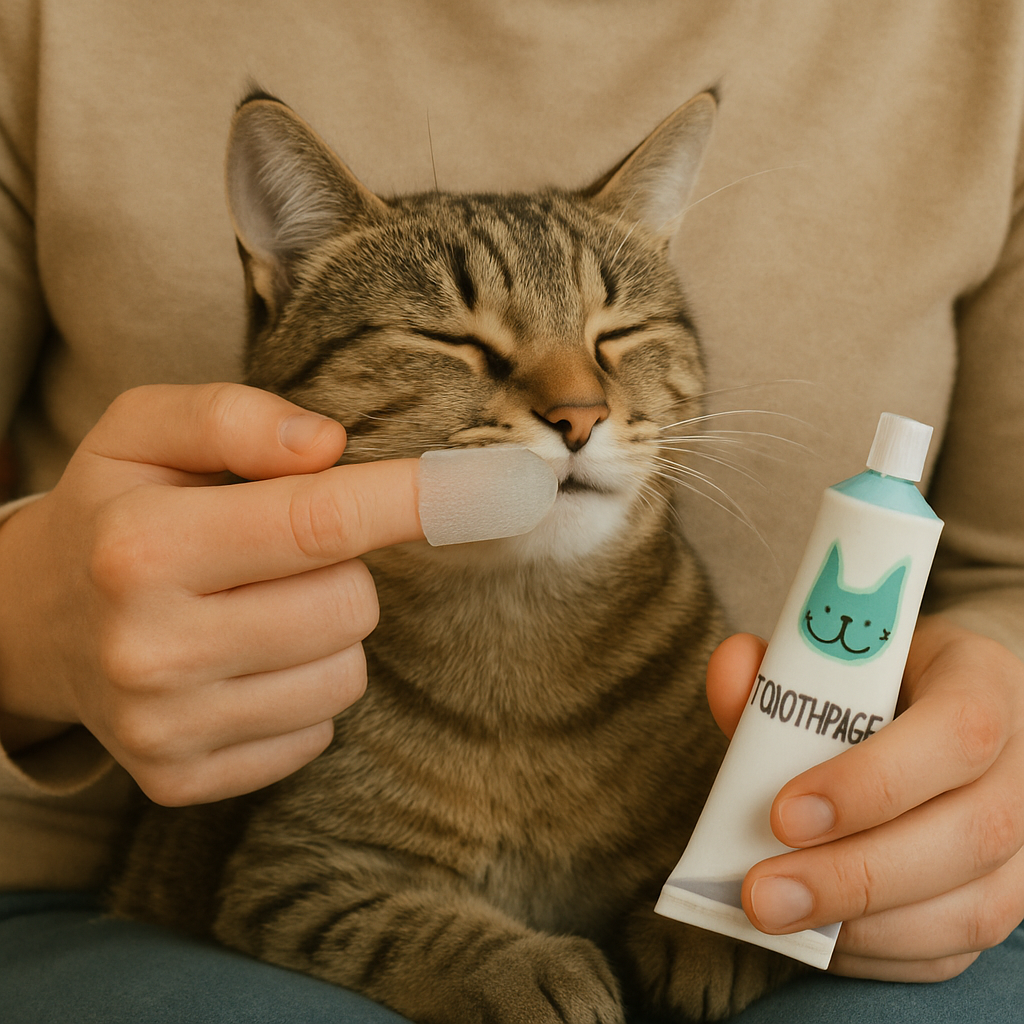
Brushing your cat’s teeth might sound like an impossible, scratch-inducing chore, but with patience and gradual desensitization, most cats can learn to tolerate—and even enjoy—the process. Here is a foolproof, step-by-step guide on how to brush cat teeth at home:
- Start Early and Slow: If you have a kitten, begin touching their mouth immediately. For adult cats, start by simply dipping your finger in tuna water and letting them lick it off while gently rubbing their gums.
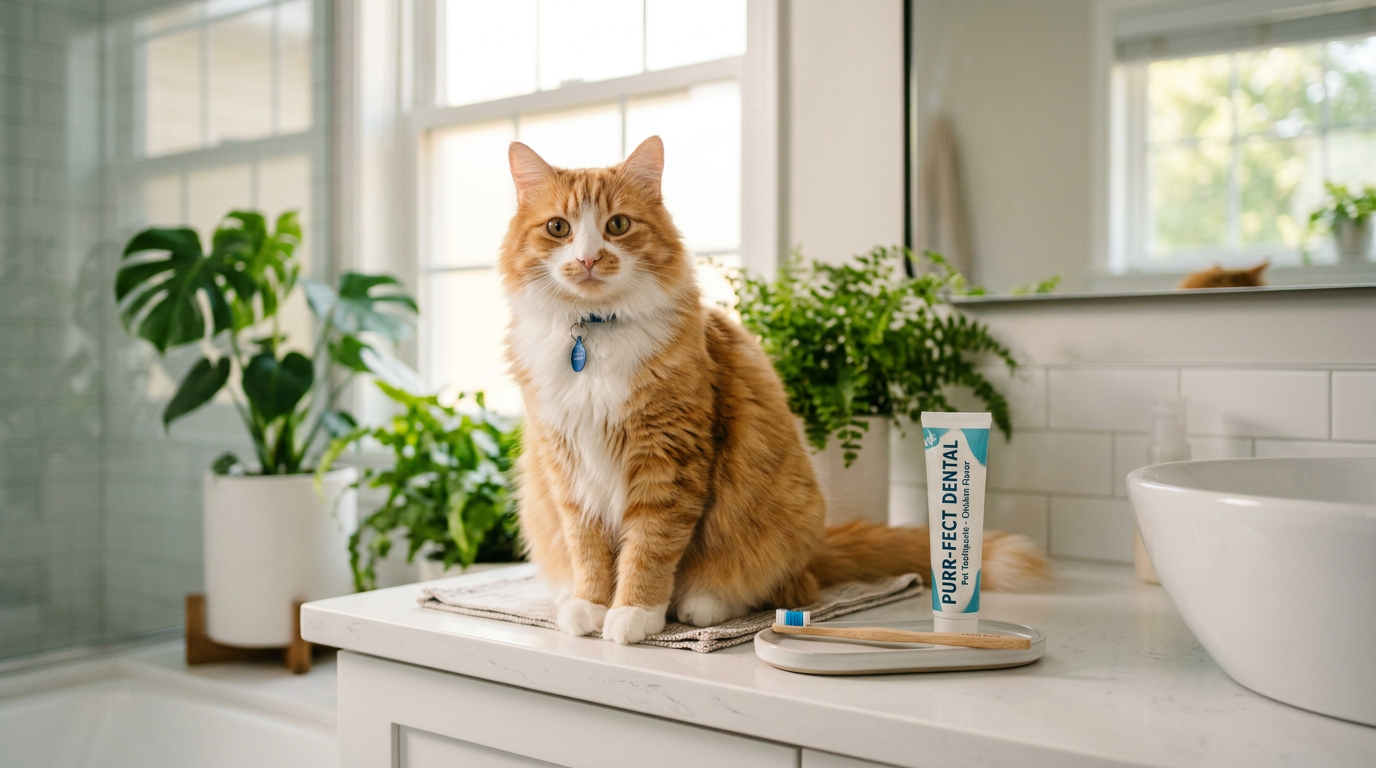
- Introduce the Toothpaste: Never use human toothpaste, as fluoride and artificial sweeteners like xylitol are highly toxic to pets. Instead, offer a dab of pet-safe toothpaste as a treat. Look for high-quality feline-safe toothpaste ingredients like glucose oxidase and lactoperoxidase—enzymes that naturally break down plaque—and avoid products with harsh abrasives or foaming agents.
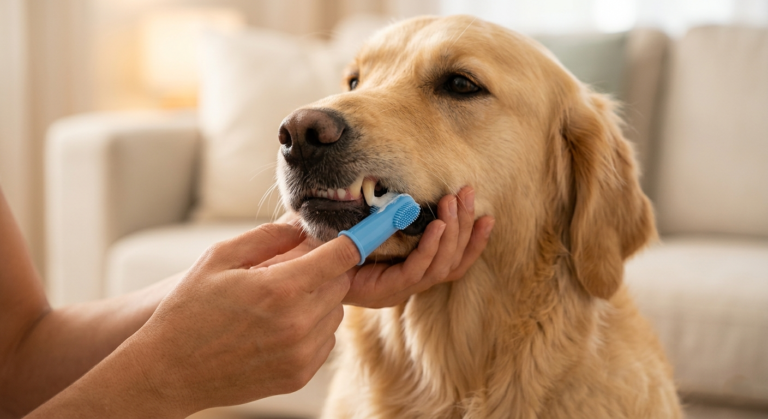
- Introduce the Brush: Once they like the toothpaste, apply it to a feline-specific toothbrush or a silicone finger brush.
- The Technique: Gently lift your cat’s lip and brush the outside surfaces of the teeth using small, circular motions. Focus primarily on the upper premolars and molars (the large teeth at the back) and the canines (the fangs), as this is where plaque accumulates the fastest. You do not need to pry their mouth open to brush the inside surfaces; their rough tongue naturally cleans the interior of the teeth.
- Keep it Short: Aim for 30 seconds to a minute total. Always end the session with high praise, chin scratches, or a favorite reward.
Alternatives for Resistant Cats
If brushing is completely off the table, do not despair. There are numerous passive dental care options that, while not as effective as mechanical brushing, are infinitely better than doing nothing.
- Dental Water Additives: Consider utilizing dental water additives for felines. These liquid solutions are poured directly into your cat’s water bowl. They contain enzymes and mild antiseptics that help reduce bacterial loads and freshen breath. Make sure to introduce them gradually so your cat does not refuse to drink their water.
- Dental Diets and Treats: Not all treats are created equal. When browsing, look for the VOHC (Veterinary Oral Health Council) Seal of Acceptance. If you are starting out with a young pet, introducing the best dental treats for kittens can help establish good chewing habits early. These treats are specially formulated to be slightly porous, allowing the tooth to penetrate the kibble before it shatters, scraping the tooth’s surface in the process.
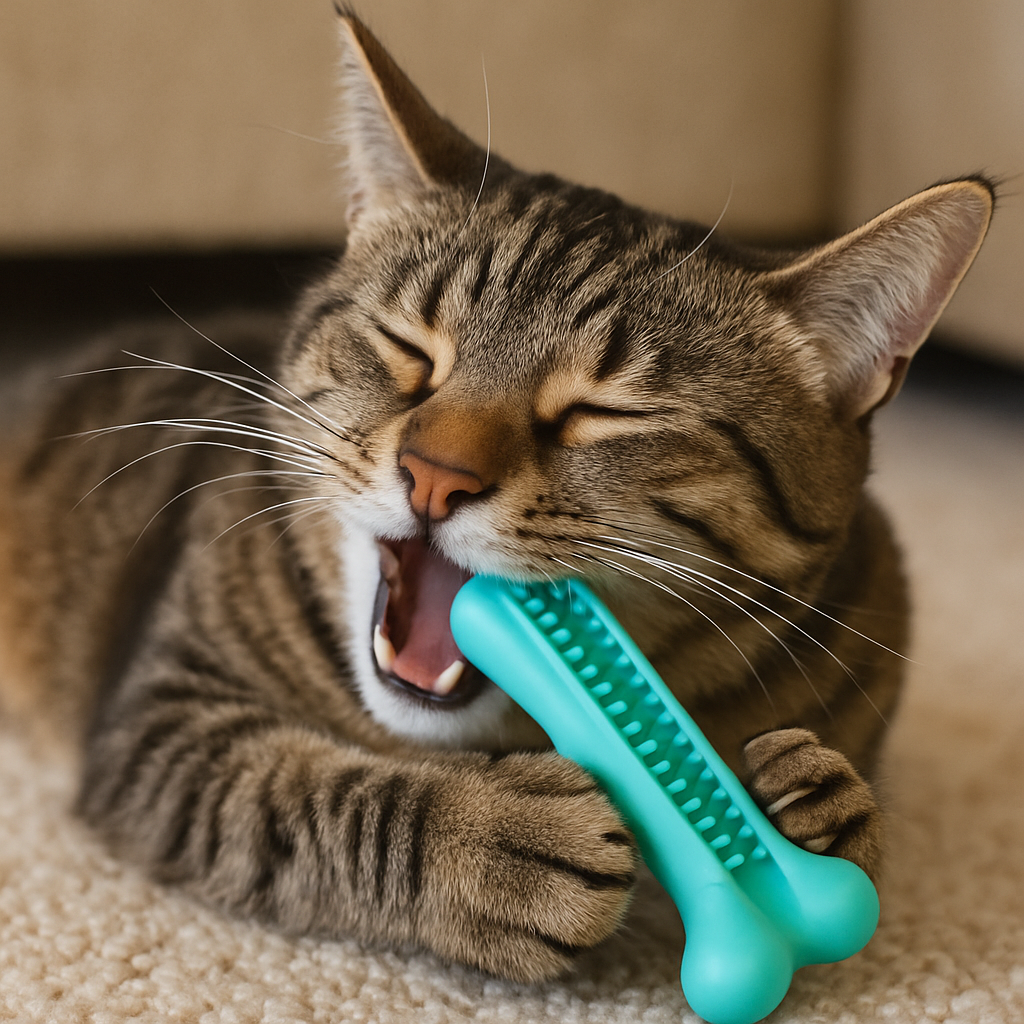
- Chew Toys: Certain silvervine sticks, sisal toys, and specialized rubber chews can encourage gnawing, which naturally aids in scraping away soft plaque.
Professional Veterinary Dental Care
Even with the most meticulous at-home routine, cats, like humans, require regular veterinary check-ups and professional cat teeth cleaning. Plaque can easily accumulate in hard-to-reach places, particularly under the gumline where a toothbrush cannot reach.
When looking for a provider, doing a quick search for “cat dental care near me” is a good start, but you should always ensure the clinic is well-equipped for comprehensive veterinary dentistry. A standard wellness exam will give your vet a chance to visually inspect your cat’s mouth, but it is important to understand that a truly thorough evaluation is impossible while the cat is awake.
Many pet owners feel nervous about the prospect of putting their beloved feline under general anesthesia. However, anesthesia for cat dental procedures is absolutely non-negotiable for safe, effective, and humane care.
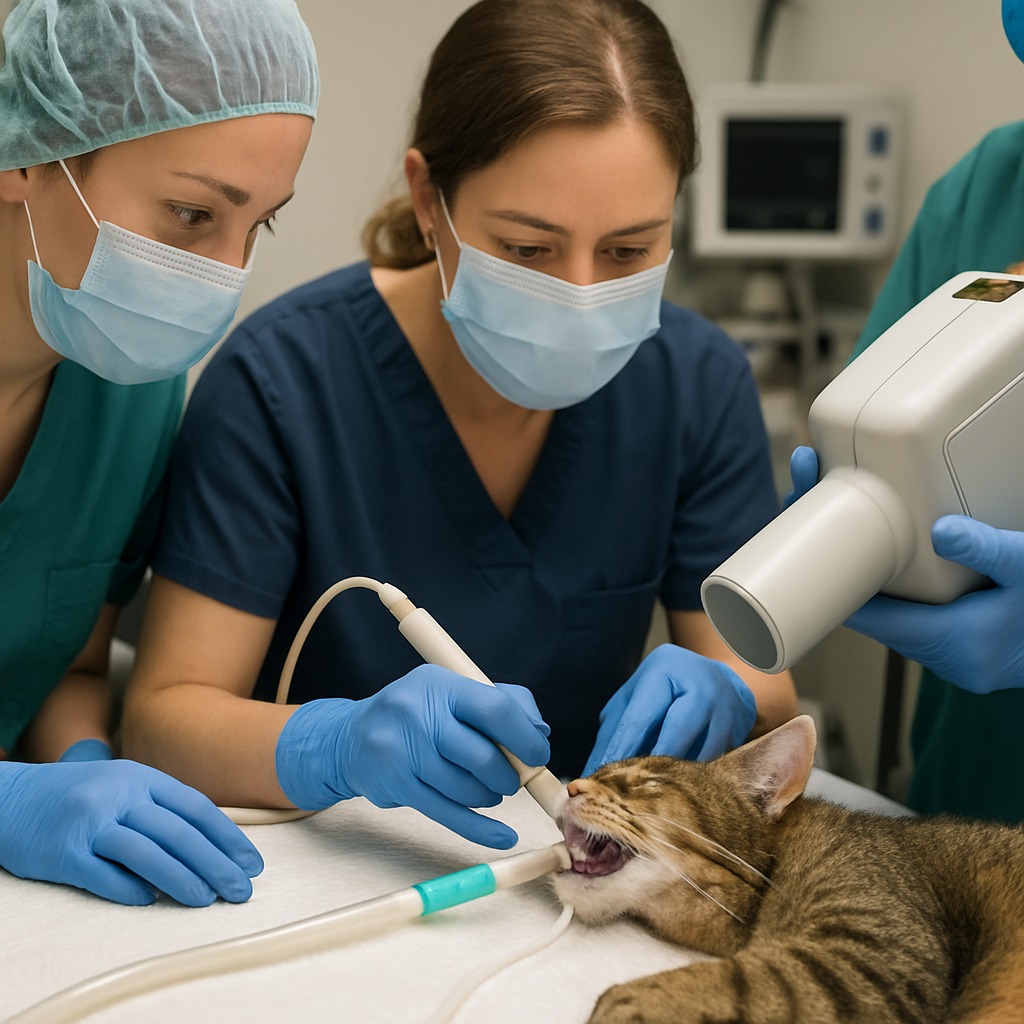
Anesthesia serves multiple vital purposes: it prevents the cat from experiencing severe pain and stress, it protects their airway from water and bacterial debris generated by the ultrasonic scaler, and it allows the veterinarian to safely clean beneath the gumline. “Awake” or “anesthesia-free” dentistry is purely cosmetic; it scrapes tartar off the visible crown but does nothing to treat the disease brewing under the gums, leaving your cat at risk.
Once the cat is safely anesthetized, the veterinarian will probe each tooth and take radiographs. The feline dental x-rays necessity cannot be overstated. Up to 60% of a cat’s tooth structure lies hidden beneath the gumline. Without x-rays, it is completely impossible to diagnose bone loss, root abscesses, or early-stage resorptive lesions. Skipping x-rays means leaving a potentially agonizing condition entirely untreated.
Financial Considerations
One of the most common questions pet owners have is regarding the professional veterinary teeth cleaning cost. It is important to view this procedure not as a simple grooming expense, but as a complex medical surgery. In the United States, a professional dental procedure typically ranges from $300 to $1,500 or more. Why the wide range? The baseline cost generally includes:
- Pre-anesthetic bloodwork (vital to ensure the kidneys and liver can process the anesthesia).
- IV catheter and fluids to maintain blood pressure.
- The anesthesia itself, along with constant heart, blood oxygen, and temperature monitoring by a dedicated veterinary technician.
- Full-mouth digital x-rays.
- Ultrasonic scaling and polishing.
The cost rises significantly if the vet discovers diseased teeth that require surgical extraction. Extractions require local nerve blocks, precise surgical sectioning of the teeth, drilling of the bone, and fine suturing of the gums, followed by post-operative pain medication and antibiotics. While the upfront cost can be daunting, investing in timely dental care prevents far more expensive, life-threatening systemic diseases down the road. Pet insurance often covers a portion of dental care if the policy is purchased before any pre-existing conditions arise.
Establishing a Lifelong Dental Routine
Cat dental care is not a one-and-done event; it is a lifelong commitment that evolves as your cat ages.
During kittenhood (up to 6 months), focus on familiarizing them with mouth handling. Monitor them as they lose their deciduous (baby) teeth to ensure no teeth are retained, which can cause painful crowding. As they enter adulthood (1 to 6 years), daily brushing, regular use of water additives, and annual veterinary check-ups should form the core of your strategy.
Once your cat enters their senior years (7+ years), bi-annual vet exams are highly recommended. Senior cats have weaker immune systems, making them more susceptible to rapid tartar accumulation and severe periodontal disease. Maintaining a pain-free mouth in a senior cat ensures they can comfortably eat, groom, and enjoy a high quality of life in their golden years.
If your cat ever does require extractions, do not panic. Cats are incredibly resilient. Once the source of chronic pain and infection is removed, owners almost universally report that their cat acts years younger, playing more and eating with newfound enthusiasm—even if they have no teeth left at all! Their gums toughen up, allowing them to eat regular kibble and wet food without issue.
Conclusion
Your cat’s mouth is a vital barometer for their overall health. By understanding the causes of bad breath, recognizing the subtle signs of oral pain, and taking proactive steps at home, you can drastically improve your feline friend’s quality of life. Whether you are carefully brushing their teeth with feline-safe enzymatic toothpaste, offering specially formulated treats, or budgeting for their annual professional cleaning under anesthesia, every step you take is an investment in their future. Do not wait for a dental crisis to occur. Start incorporating these essential dental care habits today, and you will ensure your cat enjoys a long, happy, and pain-free life, full of purrs and sweet-smelling cuddles.
Q&A
Question: Why are anesthesia and dental x-rays necessary for cat dental cleanings?
Short answer: Anesthesia is non-negotiable for safe, effective, and humane dental care. It prevents pain and stress, protects your cat’s airway from water and debris during ultrasonic scaling, and lets the vet clean under the gumline—where disease lives. Full-mouth dental x-rays are equally essential because up to 60% of each tooth is below the gumline; radiographs reveal hidden problems like bone loss, root abscesses, and early tooth resorption that can’t be diagnosed by sight alone. “Awake” cleanings are cosmetic only and leave disease untreated.
Question: How should I brush my cat’s teeth, and how often?
Short answer: Aim for daily brushing, keeping sessions to 30–60 seconds. Use pet-safe enzymatic toothpaste (never human toothpaste) and a cat-specific brush or finger brush. Gently lift the lip and brush the outside surfaces in small circles, focusing on the upper premolars/molars and the canines where plaque builds fastest. You don’t need to open the mouth or brush the inside surfaces—the tongue helps there. Start slowly, pair with rewards, and build tolerance over time.
Question: What can I do if my cat won’t tolerate brushing?
Short answer: Use passive tools to reduce plaque between vet cleanings. Options include dental water additives (introduce gradually so they keep drinking), VOHC-accepted dental diets and treats that scrub teeth as they’re chewed (great to start in kittens), and chew-friendly toys like silvervine sticks, sisal, or specialized rubber chews. These aren’t as effective as brushing but are far better than doing nothing.
Question: What’s the difference between gingivitis, stomatitis, and tooth resorption (FORLs), and how are they treated?
Short answer: Gingivitis is inflammation limited to the gums and is reversible with proper home care and brushing. Stomatitis (FCGS) is a severe, painful, whole-mouth inflammatory reaction to plaque; it often requires aggressive medical management and frequently surgical extraction of most or all teeth for lasting relief. Tooth resorption (FORLs) is when the body’s cells break down the tooth from the root upward; it’s progressive and irreversible, and the only humane, effective treatment is complete extraction of the affected tooth and roots.
Question: How much does a professional cat dental cleaning cost, and what’s included?
Short answer: In the U.S., expect roughly $300–$1,500+ depending on what’s needed. Typical inclusions are pre-anesthetic bloodwork, an IV catheter and fluids, general anesthesia with continuous monitoring, full-mouth digital x-rays, and ultrasonic scaling/polishing. Costs rise if extractions are required because they involve local nerve blocks, surgical sectioning, bone drilling, suturing, and post-op pain control/antibiotics. Pet insurance may help if purchased before any dental issues are pre-existing.