Essential Cat Supplies: A New Owner’s Guide
Bringing a new feline friend into your home is an exciting and rewarding experience. Cats, known for their independence, still require care and attention to thrive. As a new cat owner, it’s important to be prepared with the right supplies to ensure your pet feels comfortable and loved. This guide will walk you through the essential cat supplies you need to create a welcoming environment for your new companion, along with essential pet products that make daily care easier.
Summary
This guide outlines the essential cat supplies and practices to prepare for a new cat, including nutrition, litter boxes, enrichment, grooming, safety, and travel. It details choosing food and treats, litter and box options and upkeep, scratching posts and toys, grooming tools and routines, ID tags and microchips, beds and feeding stations, and carriers. You’ll also find advice on flea and tick prevention, routine veterinary care and vaccinations, and keeping everything clean. Throughout, it emphasizes observing your cat’s preferences and adjusting care as they age to foster a safe, comfortable bond.
To get started on the right paw, let’s cover the fundamental cat care essentials you’ll need to have ready before bringing your new cat home.
Nutrition and Treats

Selecting the right cat food is crucial for your cat’s health. Cats are obligate carnivores, which means they require a diet high in animal protein. Look for quality cat food that lists meat as the first ingredient. You can choose between dry kibble, canned wet food, or a combination of both based on your cat’s preferences and dietary needs.
It’s important to understand the basic nutritional needs of your cat. Cats require certain vitamins and minerals that are typically found in animal-based proteins. Consult your veterinarian to determine the best nutritional plan for your cat, considering factors like age, weight, and any specific health concerns they might have.
Treats are a great way to bond with your cat and encourage good behavior. The best cat treats are those that are nutritious and low in calories. Lickable cat treats, for example, are a popular choice because they’re easy for cats to consume and can be used as a reward during training sessions or simply to show affection.
While store-bought treats are convenient, some cat owners prefer making homemade treats. Homemade treats allow you to control the ingredients and avoid any additives or preservatives. However, ensure the ingredients are safe and nutritious for cats, avoiding any toxic foods like chocolate or onions.
Litter Boxes and Litter
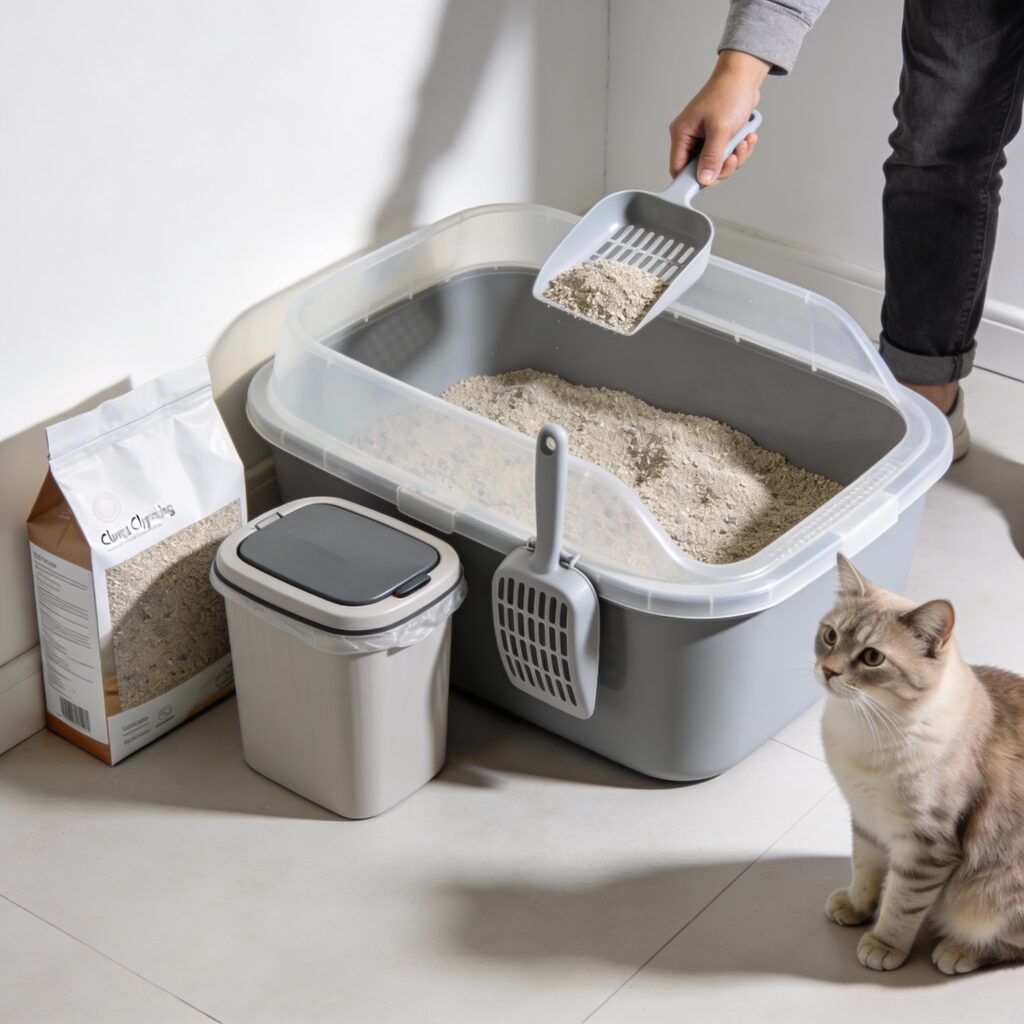
A clean and comfortable litter box is essential for your cat’s hygiene and comfort. The size of the litter box should be large enough for your cat to move around comfortably. Consider getting a box with higher sides if you have a kitten or an older cat that may be less precise with their aim.
There are various types of litter boxes available, from basic open pans to more sophisticated automatic self-cleaning models. Some cats may prefer covered boxes for privacy, while others may feel confined. Observe your cat’s behavior to determine their preference.
When it comes to cat litter, there are various options available, including clumping, non-clumping, scented, and unscented. Clumping litter is often favored for its easy cleanup. However, the best choice depends on your cat’s preference and any sensitivities they might have.
Maintaining a clean litter box is crucial for odor control. Regularly scoop out waste and completely change the litter at least once a week. Consider using baking soda or specialized odor control products designed for cat litter to keep odors at bay.
Scratching Posts, Trees, and Toys
Cats love to scratch, and providing them with a scratching post or cat tree is a great way to prevent them from damaging your furniture. These items not only satisfy your cat’s natural instincts but also offer them a place to climb and relax.
Scratching posts come in various materials, such as sisal, carpet, and wood. Some cats may prefer vertical posts, while others might enjoy horizontal ones. Offering a variety of textures and orientations can keep your cat engaged and protect your furniture.
Keeping your cat entertained is key to preventing boredom and behavioral issues. Interactive toys, such as feather wands, laser pointers, and puzzle feeders, provide mental and physical stimulation for your cat. Rotating toys regularly can keep them engaged and happy.
If you’re on a budget, consider making DIY cat toys from household items. Simple creations like crumpled paper balls, cardboard boxes, or socks filled with catnip can provide hours of entertainment. Just ensure any homemade toys are safe and free of small parts that could be swallowed.
Grooming and Nail Care
Regular grooming helps keep your cat’s coat healthy and reduces shedding. Invest in a quality brush suitable for your cat’s fur type. While most cats groom themselves, occasional baths may be necessary, especially for long-haired breeds. Use cat-specific shampoo to avoid skin irritation.
There are various brushes available for different coat types, including slicker brushes, bristle brushes, and combs. Regular grooming sessions can help prevent matting in long-haired breeds and reduce shedding in short-haired cats.
Keeping your cat’s nails trimmed is important for their comfort and to prevent scratches on furniture. Additionally, regularly check your cat’s ears for dirt or signs of infection. Use a gentle ear cleaner to keep their ears clean and healthy.
Grooming sessions can also be an opportunity to bond with your cat. Approach grooming as a positive experience, offering treats and praise to help your cat associate grooming with comfort and affection.
Identification, Safety, and Microchipping

Ensuring your cat’s safety is a top priority. Equip your cat with a collar and an ID tag with your contact information. Consider microchipping as an additional layer of protection in case your cat gets lost.
Microchipping is a simple, permanent way to identify your cat if they become lost. A microchip contains a unique ID number that can be scanned by a veterinarian or animal shelter to retrieve your contact information. It’s a reliable backup to traditional collars and tags.
Beds, Feeding Stations, and Carriers
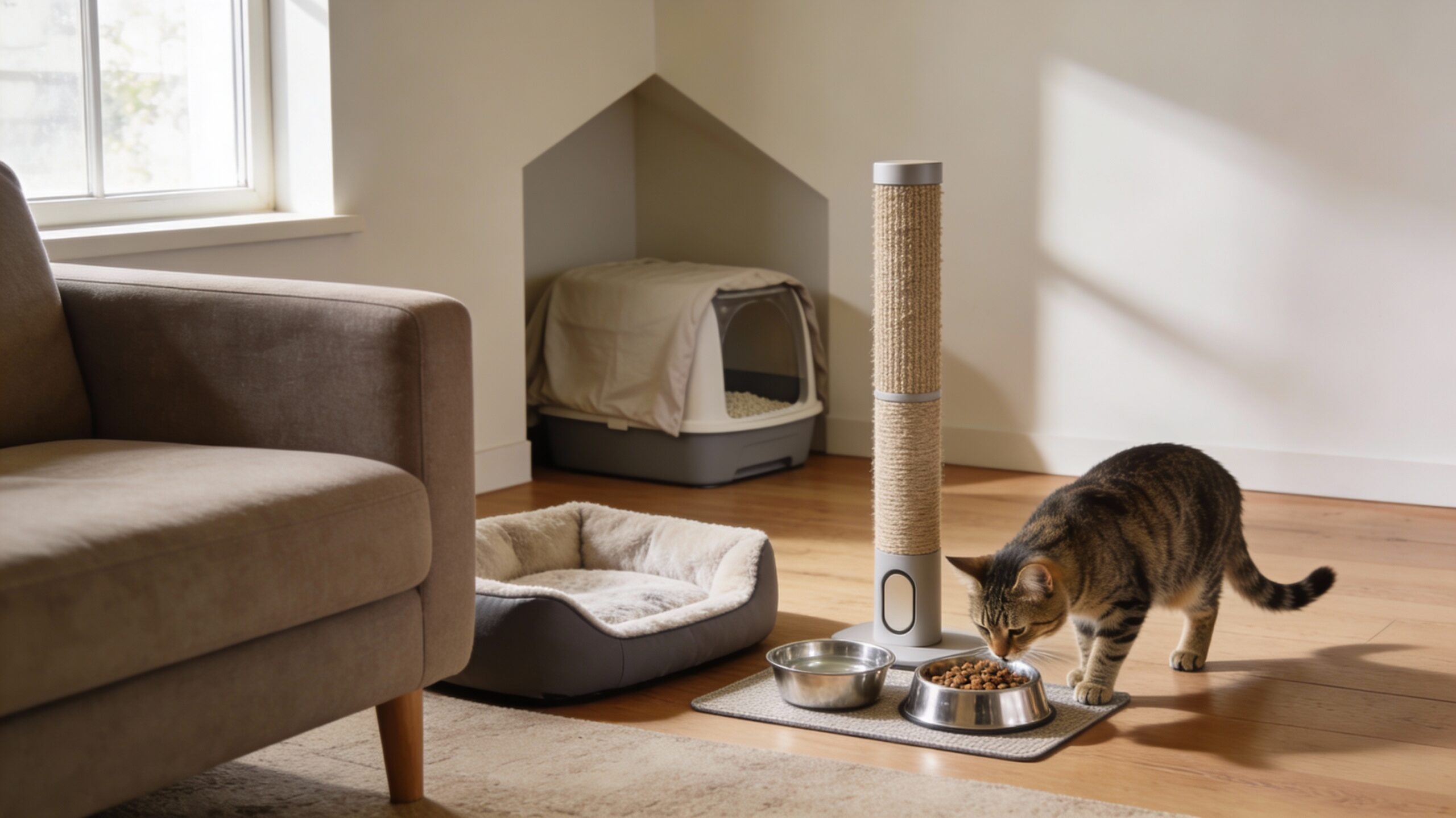
Create a cozy sleeping area for your cat with a comfortable bed. Cats often enjoy soft, warm spots, so place the bed in a quiet area where they can relax without disturbances. Consider beds with removable covers for easy cleaning.
Cat beds come in a variety of materials and styles, from plush to orthopedic and heated beds. Observe your cat’s sleeping habits to choose the best option, whether they prefer curled up in a plush donut bed or stretched out on a cooling mat.
A designated feeding station with a sturdy bowl for food and a separate one for water is essential. Stainless steel or ceramic bowls are recommended as they are easy to clean and resistant to bacteria. Ensure the feeding area is quiet and free from disturbances.
Keep the feeding area clean by washing food and water bowls daily. This prevents bacteria buildup and ensures your cat’s health. Consider using a mat under the bowls to catch spills and make cleanup easier.
A sturdy, well-ventilated carrier is necessary for trips to the vet or when traveling with your cat. Ensure the carrier is comfortable and secure, with enough space for your cat to stand, turn around, and lie down.
Introduce your cat to the carrier gradually to reduce stress. Leave the carrier open in your home and place treats or toys inside to encourage exploration. This helps your cat associate the carrier with positive experiences.
Flea, Tick, and General Preventive Care
Preventative measures against fleas and ticks are crucial for your cat’s health. These parasites can cause discomfort and transmit diseases. Speak with your veterinarian about the best options for your area and your cat’s lifestyle.
There are various flea and tick prevention options, including topical treatments, oral medications, and collars. Your vet can help you choose the most effective method based on your cat’s age, health, and environment.
Owning a cat is a long-term commitment that requires love, patience, and understanding. By providing the essential supplies and creating a nurturing environment, you lay the groundwork for a happy and healthy relationship with your feline friend.
Schedule regular check-ups with a veterinarian to monitor your cat’s health and address any concerns promptly. Your vet can also provide advice on nutrition, behavior, and preventive care. Regular visits help catch potential health issues early.
Ensure your cat receives necessary vaccinations and routine health screenings. These preventive measures protect against common feline illnesses and ensure your cat lives a healthy, active life.
Understanding Your Cat Over Time
Take the time to observe and understand your cat’s behavior and preferences. Every cat is unique, and getting to know their likes and dislikes will help you cater to their needs more effectively. This understanding enhances your bond and helps address any behavioral issues.
As your cat ages, their needs may change. Be prepared to adapt their diet, exercise routine, and living environment to accommodate these changes. Regularly reassess their needs to ensure their comfort and well-being.
By investing in these essential cat supplies and essential pet products, and understanding your cat’s needs, you’ll be well-prepared to welcome your new feline companion into your home. With the right care and attention, you and your cat will enjoy a fulfilling and joyful relationship for years to come.
Q&A
Question: How do I choose the right food for my new cat—dry, wet, or both?
Short answer: Cats are obligate carnivores and need diets rich in animal protein, so choose a quality food that lists meat as the first ingredient. Dry kibble, canned wet food, or a mix can all work; the best choice depends on your cat’s age, weight, preferences, and any health needs—ask your veterinarian for guidance. Keep treats nutritious and low-calorie; lickable cat treats can be great for bonding or training. If making homemade treats, use only cat-safe ingredients and avoid toxic foods like chocolate or onions.
Question: What litter box and litter should I get, and how do I control odor?
Short answer: Pick a litter box large enough for your cat to turn and move, and consider higher sides for kittens or seniors. Some cats like covered boxes, others prefer open—observe your cat’s preference. Clumping litter is popular for easier cleanup, but scented vs. unscented and clumping vs. non-clumping should be chosen based on your cat’s sensitivity. Scoop waste regularly and replace all litter at least weekly; baking soda or litter-specific odor control products can help with smells.
Question: How can I protect my furniture and keep my cat entertained?
Short answer: Provide multiple scratching options—a cat tree or posts made of sisal, carpet, or wood—and include both vertical and horizontal surfaces to match your cat’s scratching style. Offer interactive toys like feather wands, laser pointers, and puzzle feeders, and rotate toys to prevent boredom. Safe DIY options (crumpled paper, cardboard boxes, or socks with catnip) can also engage your cat—just avoid small parts that could be swallowed.
Question: What grooming routine should I follow for a healthy coat and nails?
Short answer: Use brushes suited to your cat’s coat (slicker, bristle, or combs) to reduce shedding and prevent mats, especially in long-haired cats. Most cats groom themselves, but occasional baths may be needed—use cat-specific shampoo. Trim nails regularly, and check ears for dirt or signs of infection, using a gentle ear cleaner as needed. Keep grooming positive by pairing sessions with treats and praise.
Question: What early safety and health steps should I prioritize?
Short answer: Equip your cat with a collar and ID tag and add a microchip as a permanent backup in case they get lost. Set up a quiet sleep area with a comfortable, washable bed, and a feeding station with separate stainless steel or ceramic bowls for food and water—wash bowls daily and use a mat to catch spills. Choose a sturdy, well-ventilated carrier and introduce it gradually by leaving it open with treats or toys inside. Discuss flea and tick prevention with your vet (topicals, orals, or collars) and schedule regular checkups and vaccinations. As your cat ages, reassess diet, activity, and environment to keep them comfortable and healthy.