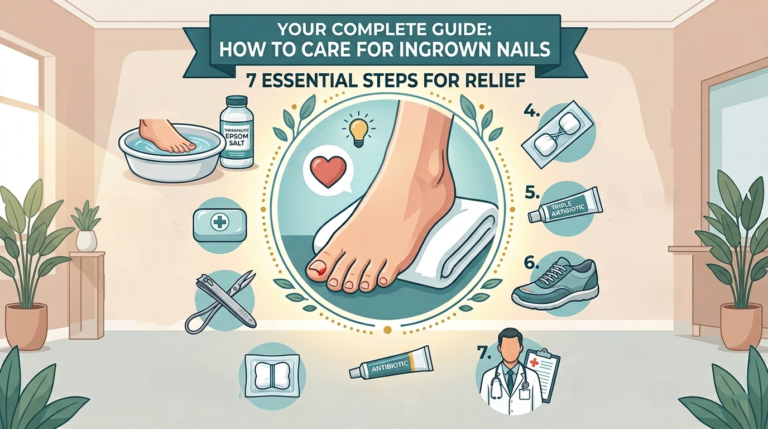

Healthy Feet: The 5 Complete Guide of Foot Diabetes Care
Foot diabetes care is crucial for anyone managing diabetes. It helps prevent serious complications that can arise from neglect. Diabetes can lead to diabetic neuropathy
and poor circulation, increasing the risk of foot problems. Regular foot care is essential to maintain healthy feet and avoid issues.
This guide provides five essential tips for effective foot diabetes care to help keep your feet in top condition. Whether you are managing diabetes yourself or acting as a caregiver, understanding these tips can make a significant difference.
Importance of Foot Diabetes Care
Consistent care significantly reduces the risk of infections and amputations. Nerve damage and circulation issues often develop quietly without proper attention.
- Preventing infections and complications: Catching micro-trauma before it ulcerates.
- Maintaining mobility and independence: Healthy feet keep you active and ambulatory.
- Reducing long-term healthcare costs: Preventing hospitalizations and specialized surgical procedures.
Early intervention and routine clinical checkups provide an essential safety net for long-term health.
Statistics on Diabetic Foot Problems
Diabetes significantly impacts foot health. The Centers for Disease Control and Prevention (CDC)
emphasizes that neglecting foot care can lead to critical complications:
- Up to 15% to 25% of people with diabetes may develop a diabetic foot ulcer during their lifetime.
- Diabetic foot complications contribute to up to 85% of diabetes-related lower-limb amputations.
- Regular foot exams and patient education can reduce amputation rates by 45% to 85%.
Essential Tip 1: Daily Foot Inspections
Daily foot inspections allow you to catch small injuries before they become severe infections.
How to Inspect Your Feet
Inspect your feet at the same time every day—such as when removing your shoes in the evening. Use a handheld mirror or ask a family member to help check the bottoms of your feet and between the toes.
Look closely for:
- Cuts, cracks, or blisters
- Redness, localized warmth, or swelling
- Changes in skin color or calluses
Signs to Look For
Seek medical attention promptly if you notice:
- Unexplained pain, burning, or tingling
- Skin temperature differences between feet
- Ingrown toenails or fungal nail abnormalities
- Slow-healing sores or drainage
Essential Tip 2: Proper Foot Hygiene
Clean, well-maintained skin forms the first line of defense against bacterial and fungal infections.
Cleaning and Drying Your Feet
- Wash feet daily using warm—never hot—water (test water temperature with your elbow or a thermometer).
- Use a gentle cleanser and avoid aggressive scrubbing.
- Thoroughly pat dry with a soft towel, paying careful attention to the spaces between your toes to prevent athlete’s foot (tinea pedis).

Best Soaps and Moisturizers
- Choose mild, fragrance-free cleansers.
- Apply an unscented moisturizer or urea-based cream to the tops and soles of your feet to prevent cracking.
- Do not apply lotion between your toes, as trapped moisture fosters fungal growth.
Essential Tip 3: Choosing the Right Footwear
Protective footwear reduces friction and shields feet from foreign objects that you might not feel due to reduced sensation.
Types of Footwear Recommended

According to guidelines from the American Diabetes Association (ADA)
, well-designed footwear should include:
- A wide, deep toe box that prevents pinching
- Cushioned, shock-absorbing midsoles
- Breathable materials like leather or mesh
- Slip-resistant, rigid outer soles to distribute pressure evenly
Foot Care Products for Diabetes
- Seamless diabetic socks: Moisture-wicking socks without tight elastic bands improve circulation and reduce friction.
- Custom orthotics: Prescribed inserts help offload high-pressure points across the plantar surface.
- Protective padding: Use only under professional supervision to avoid creating new pressure points.
Essential Tip 4: Managing Blood Sugar Levels
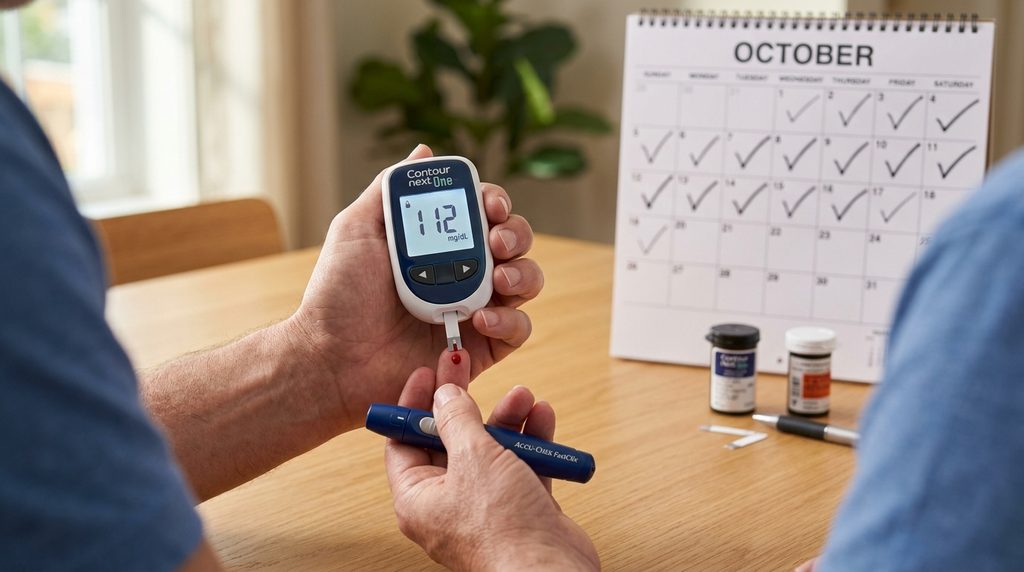
Maintaining blood glucose within target ranges directly supports vascular health and peripheral nerve function.
Impact on Foot Health
Chronic hyperglycemia damages blood vessels and peripheral nerves:
- Peripheral Neuropathy: Numbness masks blisters, cuts, or foreign bodies.
- Peripheral Artery Disease (PAD): Reduced blood flow delays wound healing and tissue regeneration.
- Immune Impairment: Elevated blood sugar weakens the body’s natural response to clear minor bacterial infections.
Tips for Blood Sugar Management
- Track glucose regularly using a continuous glucose monitor (CGM) or standard meter.
- Follow an individualized meal plan emphasizing whole foods and dietary fiber.
- Engage in low-impact exercise (like walking or swimming) as approved by your physician.
- Take prescribed diabetes medications or insulin consistently.
Essential Tip 5: Seeking Professional Help
A routine clinical exam helps detect early circulatory and neurological changes before symptoms become severe.

When to Consult a Specialist
Contact a healthcare provider immediately if you experience:
- An open sore, puncture, or blister that fails to show improvement within 24 to 48 hours
- Signs of localized infection (pus, odor, expanding redness, or red streaks)
- Sudden numbness, coldness, or color changes (pale or bluish skin)
Finding Professional Care
- Consult your primary care physician for a referral to a podiatrist.
- Use directory tools like the American Podiatric Medical Association (APMA) Find a Podiatrist tool to locate board-certified foot and ankle specialists nearby.
- Connect with a certified diabetes care and education specialist through the Association of Diabetes Care & Education Specialists (ADCES).
Summary Checklist
- Inspect: Check tops, soles, and between toes daily.
- Wash & Dry: Use warm water, mild soap, and dry thoroughly (especially between toes).
- Protect: Wear supportive shoes and seamless socks; never walk barefoot.
- Manage: Keep blood sugar levels within your target range.
- Consult: Schedule regular professional exams and report non-healing sores promptly.
Frequently Asked Questions
Why is foot diabetes care important, and what risks does it reduce?
Diabetes can cause nerve damage and poor circulation, which raise the risk of ulcers, infections, and amputations. Consistent foot care helps prevent complications, maintain mobility, and lower healthcare costs. Routine clinical screenings reduce amputation risk by 45% to 85%.
How should I perform daily foot inspections, and what should I look for?
Check your feet daily under bright light, using a mirror or assistance if needed. Look for cuts, blisters, swelling, localized heat, nail discoloration, or changes in skin texture. Seek medical attention immediately for non-healing sores or ulcers.
What are best practices for cleaning, drying, and moisturizing diabetic feet?
Wash feet daily in lukewarm water with mild soap. Pat dry thoroughly with a soft towel, focusing between the toes. Apply moisturizer to the tops and bottoms of the feet to prevent dry cracks, but leave the spaces between the toes dry.
What footwear is best for people with diabetes?
Wear properly fitted shoes featuring a wide toe box, seamless interior lining, and shock-absorbing soles. Pair them with moisture-wicking, non-binding socks, and never walk barefoot—even indoors.
When should I see a specialist?
Schedule an immediate evaluation if you notice non-healing wounds, signs of infection, persistent pain, or changes in sensation or skin temperature. Annual comprehensive exams by a podiatrist are recommended for all individuals with diabetes.