7 Surprising Facts About Dogs That Will Melt Your Heart
Dogs have been our loyal companions for thousands of years. The history of dogs is rich and fascinating.
From ancient hunters to modern-day pets, dogs have played many roles. They are more than just animals; they are family.
Their intelligence and empathy are remarkable. Dogs can sense our emotions and respond with love.
In this article, discover seven surprising facts about dogs. These facts will surely melt your heart.
The Unique History of Dogs

The unique history of dogs is deep-rooted and linked with human civilization. They descended from wolves and began their journey with humans thousands of years ago, and sources such as Britannica’s dog overview explain how dogs became one of the most enduring domestic animals in human history. Throughout history, dogs served roles beyond companionship. They’ve been hunters, guardians, and symbols of loyalty across cultures.
Here are some notable aspects of dogs’ history:
- Evolved from wolves about 20,000 to 40,000 years ago.
- Integral in ancient societies as hunters and herders.
- Portrayed in art and literature as loyal guardians.
1.1 Origins and Domestication
The domestication of dogs started with their wolf ancestors. Humans and wolves formed a mutually beneficial alliance for survival. Over time, this bond strengthened. Wolves adapted to living alongside humans, gradually evolving into the loyal dogs we cherish today.
1.2 Role as Human Companions
From ancient times, dogs have offered more than protection. They provide emotional support and companionship, enhancing human lives. Cultures worldwide have revered dogs as family members. Their unwavering loyalty has made them beloved across generations.
Puppy Development Stages
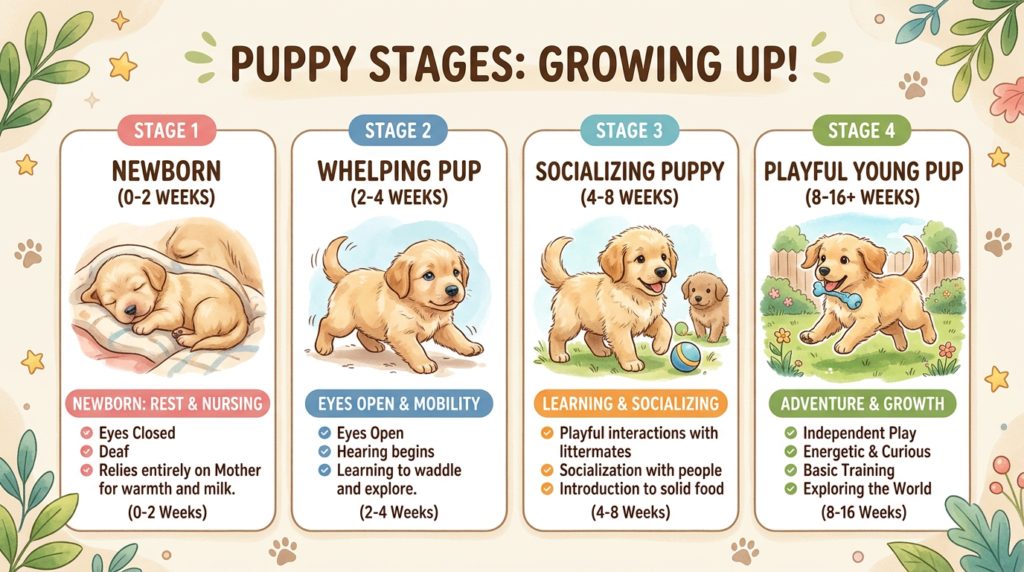
Puppies go through several crucial phases in their early lives. Understanding puppy development stages helps in raising a well-adjusted dog.
Each stage requires specific attention and care. Monitoring their development ensures they grow healthy and strong.
Key puppy development stages include:
- Newborn to 3 weeks: Critical sensory development.
- Socialization period: Exploring the world around them.
- Juvenile stage: Increased independence and learning.
2.1 Newborn to 3 Weeks
During their first weeks, puppies are highly dependent on their mother. They are born blind, deaf, and toothless.
Around two weeks, their eyes start to open. Their sense of hearing also develops, introducing them to the world.
2.2 Socialization Period
From three weeks onwards, puppies explore their environment. This phase is vital for developing social skills. The American Kennel Club’s puppy socialization guide emphasizes that the first three months of life are especially important for shaping a puppy’s future behavior. Interaction with their littermates and humans teaches them necessary behaviors. Positive social experiences are crucial during this time.
Unconditional Love of Dogs
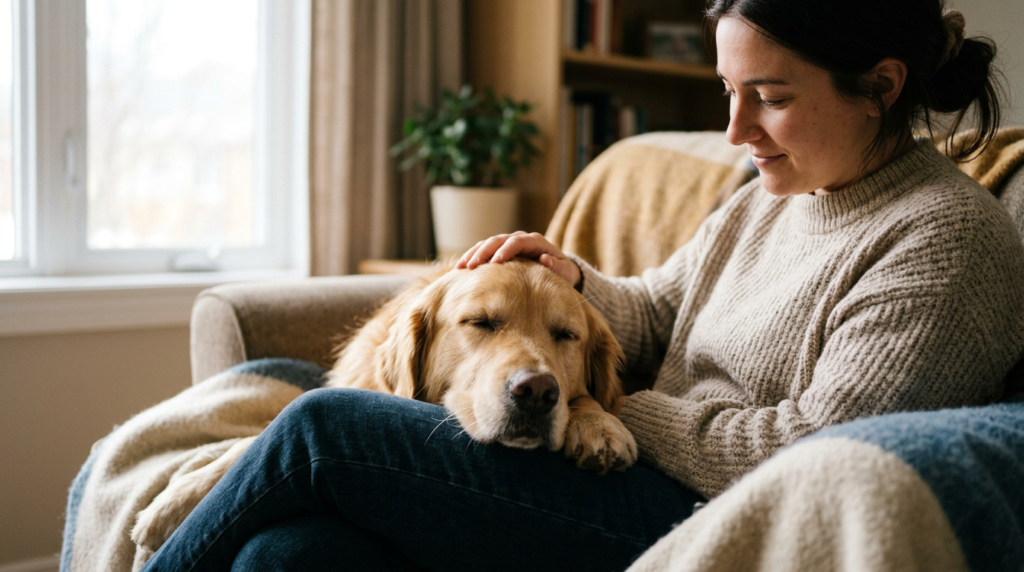
Dogs are famous for their unwavering devotion to humans. Their loyalty remains unmatched by any other species.
They give love freely and ask for little in return. This unique affection makes them cherished companions. Their emotional intelligence is remarkable and fosters deep connections with their owners.
Reasons for their bond:
- Intuitive understanding of human emotions
- Empathy towards their owners
- Innate desire to please and comfort
Their love strengthens our bonds and uplifts our spirits. It’s no wonder they are often called “man’s best friend.”
3.1 Emotional Bonds with Humans
Dogs forge deep emotional ties with their owners. They understand human emotions and react with unconditional love.
Their ability to comfort and support is instinctive. This emotional bond enriches the lives of dog and owner alike.
3.2 Dogs’ Empathy and Intuition
Dogs possess a natural empathy for human emotions. Their intuition allows them to respond appropriately to our moods.
This sensitivity enables them to offer comfort when needed. Their intuitive responses make them invaluable emotional companions.
Dog Training Techniques that Enhance Bonding
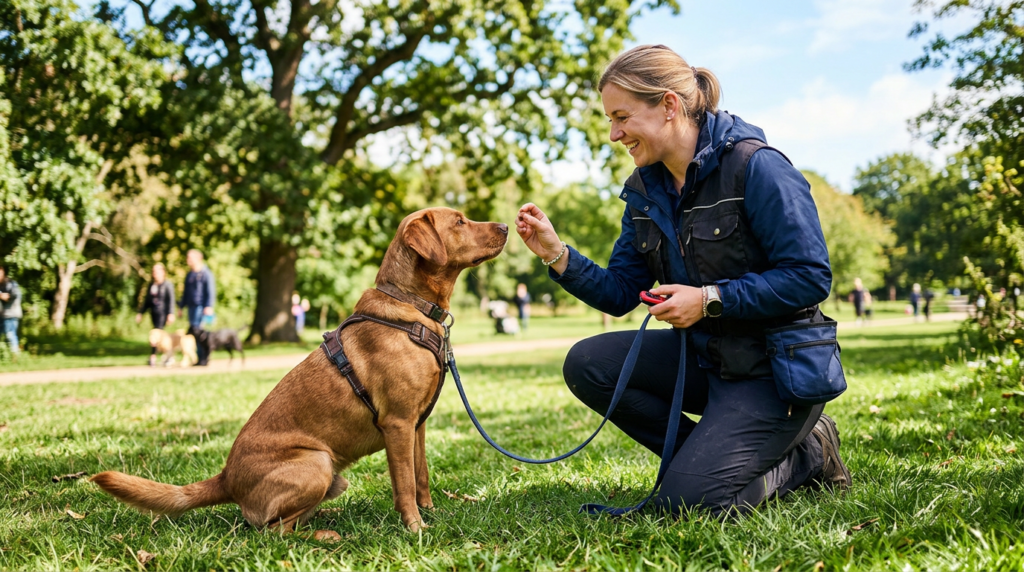
Training not only teaches dogs important behaviors but also strengthens the bond between you and your dog. Using effective dog training techniques can make the process enjoyable and rewarding for both. Dogs are eager learners, and training should focus on positive methods. Techniques like reward-based and clicker training are especially effective, and the ASPCA dog training guidance and AKC clicker training guide both support positive, clear, reward-based methods.
Key techniques that enhance bonding include:
- Positive reinforcement for rewarding desired behaviors
- Clicker training for clear communication
- Consistent routines to build trust
- Patience and persistence to foster mutual respect
These dog training techniques not only teach obedience but also deepen the human-dog connection.
4.1 Positive Reinforcement
Positive reinforcement involves rewarding your dog for good behavior. This approach encourages the dog to repeat the desired action.
Treats, praise, or playtime can serve as rewards. The key is consistency and immediacy in giving rewards to reinforce the behavior.
4.2 Clicker Training
Clicker training uses a small device that makes a clicking sound. It marks the moment your dog completes a desired action.
This technique helps your dog understand which behavior is rewarded. The combination of clicks and treats enhances learning and builds trust.
Caring for Senior Dogs
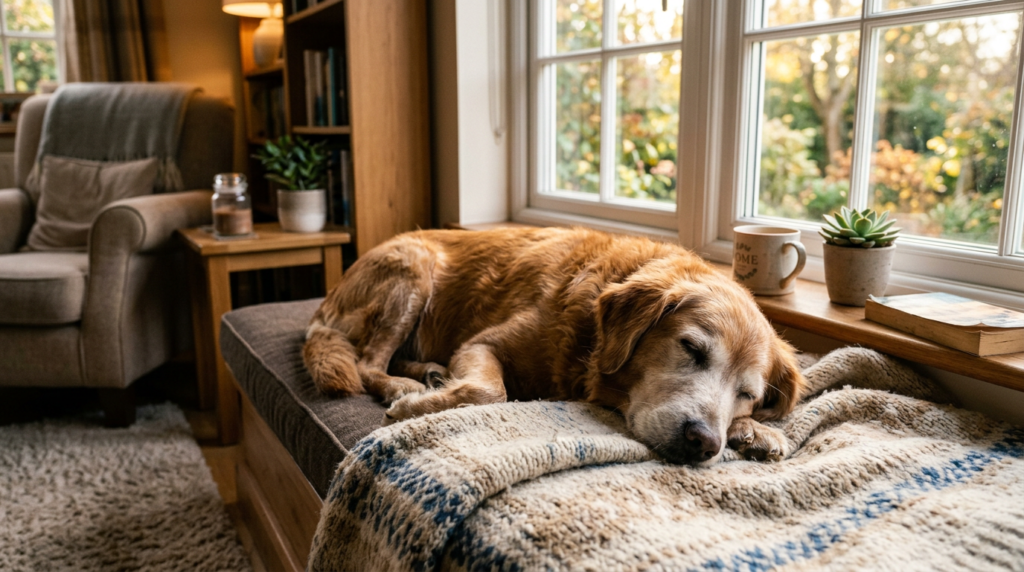
As dogs age, their needs change. Caring for senior dogs requires adjustments in health and daily routines.
Older dogs may face mobility issues or cognitive decline. Being aware of these changes is crucial for their well-being.
To maintain your senior dog’s health and happiness, consider the following:
- Regular veterinary check-ups
- Adjusted diet for senior dogs
- Low-impact exercise routines
- Comfortable sleeping arrangements
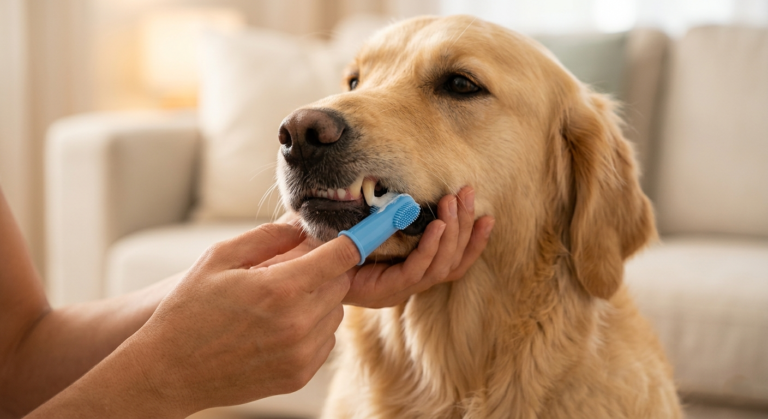
- Heightened attention to dental care
These steps can help ensure your senior dog enjoys their golden years fully, and veterinary resources such as Cornell’s veterinary school and the AAHA senior pet care resources are useful places to find age-related care guidance.
5.1 Common Health Issues in Older Dogs
Senior dogs may experience arthritis, leading to joint pain and stiffness. Cognitive dysfunction, akin to dementia, can also occur.
Vision and hearing loss are common, as are dental issues. Regular vet visits help manage these conditions.
5.2 Adjusting Care Routines
Modify your dog’s exercise routine to be gentler. Short, frequent walks can replace long, strenuous activities.
Ensure their diet supports aging bodies, focusing on joint health and weight management. Gentle grooming keeps them comfortable and feeling fresh.
Dogs Can Sense Human Emotions
Dogs have an impressive ability to sense human emotions. Their skills extend beyond just basic expressions.
They can discern subtle changes in our faces and tones. This emotional intelligence allows them to bond deeply with their owners.
Here are a few ways dogs sense emotions:
- Recognizing changes in body language
- Detecting stress through vocal cues
- Sensing happiness or sadness through pheromones
Their response to our feelings strengthens the human-dog relationship, proving that they are truly man’s best friend.
6.1 Understanding Facial Expressions
Dogs are adept at interpreting human facial expressions. They can distinguish between a happy face and a sad one.
This ability allows them to react appropriately, offering comfort or joining in on the joy.
6.2 Responding to Emotional States
A dog might lean against you when you’re upset. They often mirror our emotions through empathy.
Their intuitive nature shines when they offer a gentle nuzzle or a playful wag to lift your spirits.
Fun Activities to Strengthen Your Connection
Building a deeper bond with your dog can be fun and rewarding. Engaging in activities together strengthens your connection.
Mixing up your routine with play and exercise benefits both you and your dog. It’s essential to include activities that excite and challenge them.
Here are some ideas to consider:
- Play fetch to enhance agility
- Train new commands for mental stimulation
- Go for walks to enjoy fresh air and adventure
By incorporating these activities, you foster a healthy and loving relationship with your furry friend.
7.1 Interactive Games and Training
Interactive games, like tug-of-war, promote physical exercise and mental agility. Training sessions can also be playful.
Command games such as “sit” or “stay” stimulate your dog’s mind. They also strengthen trust, making your bond unbreakable.
7.2 Outdoor Adventures Together
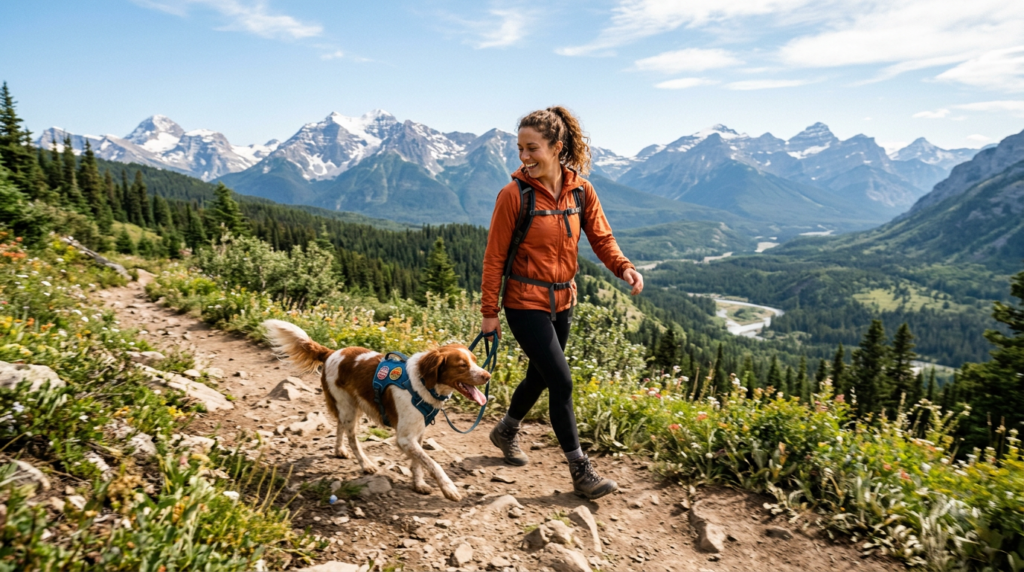
Exploring the outdoors offers new experiences for both of you. Hiking trails present exciting smells and sights.
Even a simple walk can be an adventure if you take new routes. These outdoor activities boost your mood and deepen your friendship.
Q&A
Question: When and how did dogs become companions to humans?
Short answer: Dogs descended from wolves and began associating with humans roughly 20,000 to 40,000 years ago. Early humans and wolves formed a mutually beneficial alliance—wolves gained reliable food sources, while humans gained alert hunters and guardians. Over time, selective pressures and close co-living led wolves to adapt to human environments, gradually evolving into domesticated dogs. Across cultures and eras, dogs served as hunters, herders, protectors, and enduring symbols of loyalty.
Question: What are the key puppy development stages, and why is the socialization period so important?
Short answer: Puppies move through several stages:
- Newborn to 3 weeks: They’re blind, deaf, and reliant on their mother; critical sensory systems develop, and eyes open around two weeks.
- Socialization period (from about 3 weeks onward): Puppies begin exploring, learning vital social skills from littermates and humans. Positive experiences during this window help shape confident, well-adjusted adult behavior.
- Juvenile stage: Growing independence and learning accelerate, so consistent guidance is crucial.
The socialization phase is pivotal because gentle exposure and constructive interactions lay the foundation for healthy behavior and resilience.
Question: How do dogs sense human emotions and express unconditional love?
Short answer: Dogs read us through multiple channels—subtle shifts in body language, tone of voice, facial expressions, and even scent cues linked to stress or mood. Their empathy and instinct to please drive them to respond appropriately: leaning in when we’re upset, offering a nuzzle, or mirroring our joy. This intuitive responsiveness, paired with their desire to comfort, fuels the deep, unconditional bond many owners experience.
Question: Which training techniques best strengthen the human–dog bond?
Short answer: Positive, reward-based methods are most effective and relationship-building.
- Positive reinforcement: Immediately reward desired behaviors with treats, praise, or play so the dog associates the action with something good.
- Clicker training: Use a click to precisely mark the correct moment, followed by a reward; this clarity speeds learning and builds trust.
- Consistency, clear routines, patience, and persistence make training enjoyable and deepen mutual respect.
Question: How should I adjust care for a senior dog?
Short answer: Tailor daily life to changing needs.
- Health: Schedule regular veterinary check-ups and prioritize dental care.
- Diet and exercise: Shift to a senior-appropriate diet focused on joint health and weight management; favor low-impact, shorter, more frequent walks.
- Comfort: Provide supportive, comfortable sleeping areas and gentle grooming.
- Be mindful of common issues like arthritis, cognitive decline, and vision or hearing loss, and adapt routines to keep your older dog comfortable and engaged.