
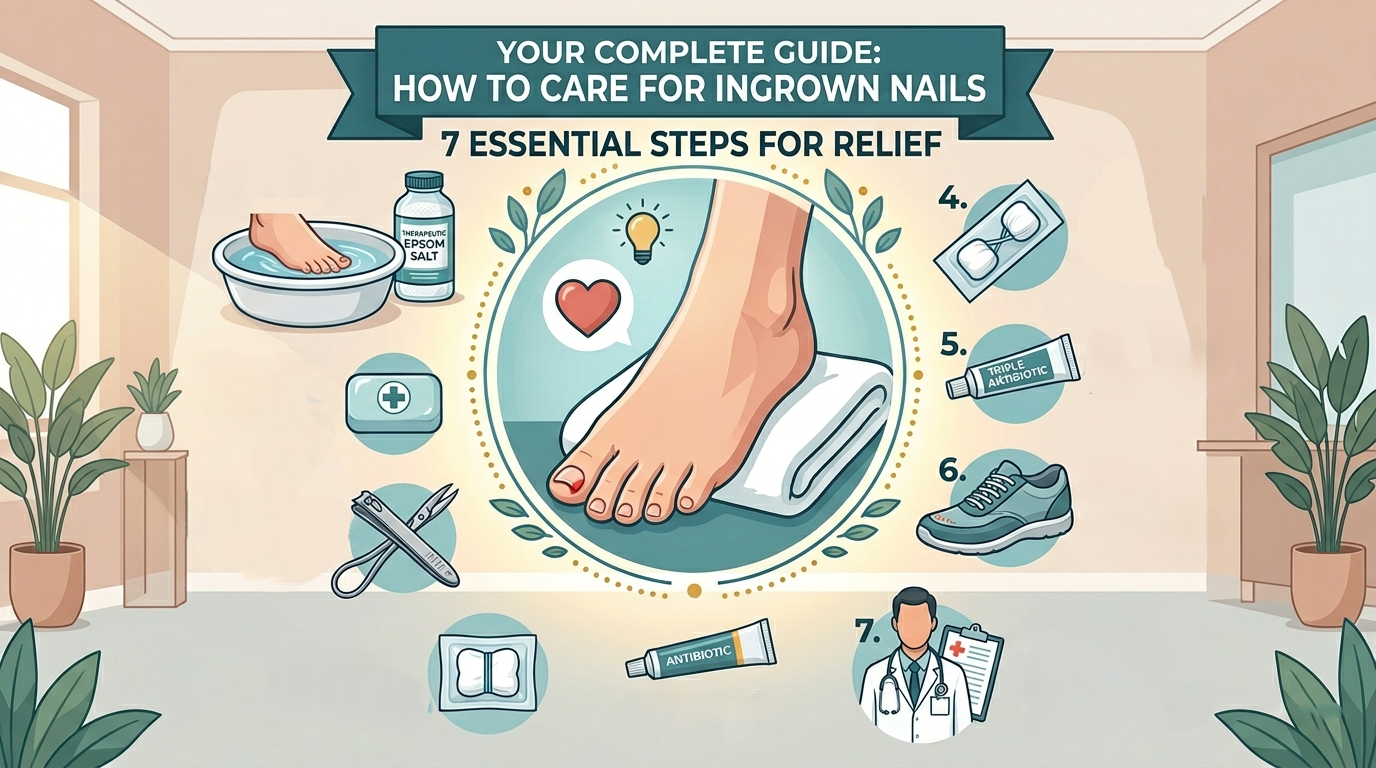
How to Care for Ingrown Nails: 7 Essential Steps for Relief
Few foot problems are as deceptively painful as an ingrown nail. What starts as mild tenderness along the side of your toe can quickly escalate into redness, swelling, and even infection if left untreated. The good news? Knowing how to care for ingrown nails early — and correctly — can spare you significant pain and prevent a minor nuisance from becoming a medical issue.
Whether you’re dealing with your first ingrown toenail or managing a recurring problem, this guide walks you through 7 essential steps for real, lasting ingrown toenail relief.
Understanding Ingrown Nails
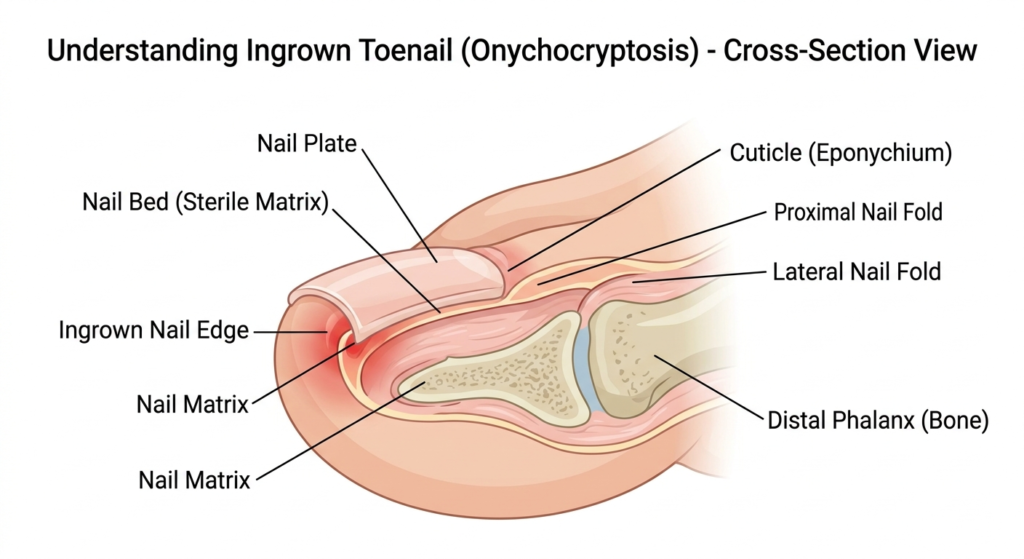
An ingrown nail — medically known as onychocryptosis — occurs when the edge or corner of a nail grows into the surrounding skin instead of over it. According to the American Podiatric Medical Association (APMA), ingrown nails are the most common nail impairment seen in podiatry practices across the United States. While any nail can become ingrown, the big toe is by far the most commonly affected.
What Causes Ingrown Nails?
Understanding the root cause is the first step in effective ingrown nail treatment. The most common culprits include:
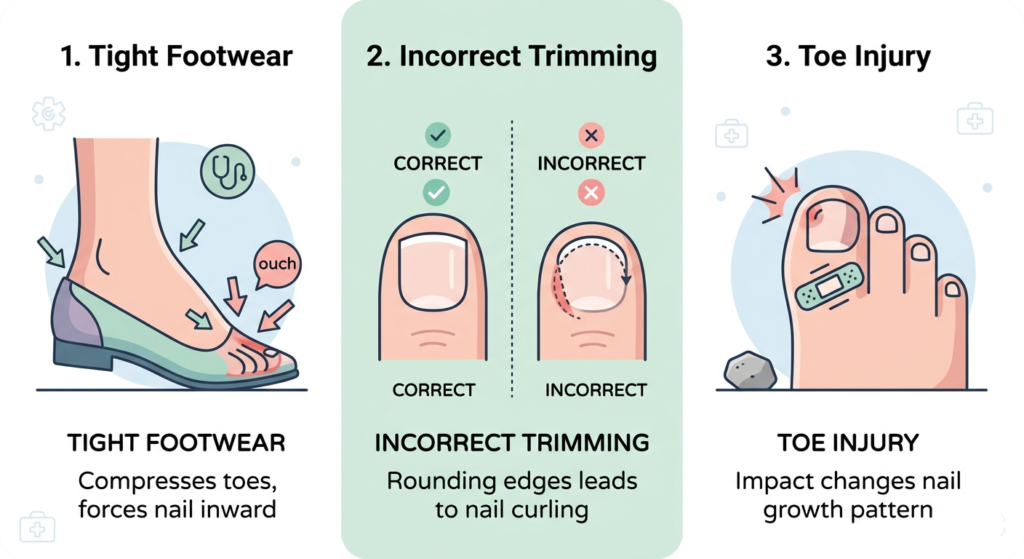
- Improper nail trimming — cutting nails too short or rounding the edges rather than trimming straight across
- Tight or ill-fitting footwear — shoes that compress the toes force nails to grow into the skin
- Trauma or injury — stubbing your toe or repetitive pressure (common in athletes and runners)
- Naturally curved nails — some people are genetically predisposed to nails that curve downward
- Poor foot hygiene — softened skin around nails makes it easier for the nail edge to penetrate
Common Symptoms to Look For
Catching an ingrown nail early makes treatment much simpler. Watch for:
- Pain or tenderness along one or both sides of the nail
- Redness and swelling around the nail edge
- Skin that appears to be growing over the nail
- Warmth in the affected area
- Drainage or odor (a sign of possible infection)
Ingrown Nail Treatment Options
Over-the-Counter Remedies
For mild to moderate cases, several OTC products can provide ingrown toenail relief and help manage symptoms while healing occurs:
- Antibiotic ointments (such as Neosporin) applied to the affected area help reduce infection risk
- OTC pain relievers like ibuprofen or acetaminophen can reduce inflammation and discomfort
- Toe protectors or foam padding cushion the nail and reduce pressure from footwear
- Antiseptic solutions keep the area clean and minimize bacterial exposure
Always follow product instructions and monitor the area closely for signs of worsening.
When to Seek Professional Help
Home care is appropriate for mild cases, but certain situations call for a visit to a podiatrist or physician. The Mayo Clinic recommends seeking professional ingrown nail treatment if you experience:
- Severe pain that interferes with walking or daily activities
- Spreading redness, significant swelling, or pus — all signs of infection
- No improvement after 2–3 days of home treatment
- A fever accompanying foot symptoms
- You have diabetes, peripheral artery disease, or nerve damage in your feet — these conditions significantly increase complication risk and require professional evaluation before any home treatment
The American Academy of Orthopaedic Surgeons (AAOS) notes that a podiatrist may perform a partial nail avulsion (removing the ingrown portion) or, for chronic cases, a procedure to permanently prevent regrowth on that edge.
Home Remedies for Ingrown Nails
Step 1: Warm Soaks and Epsom Salt
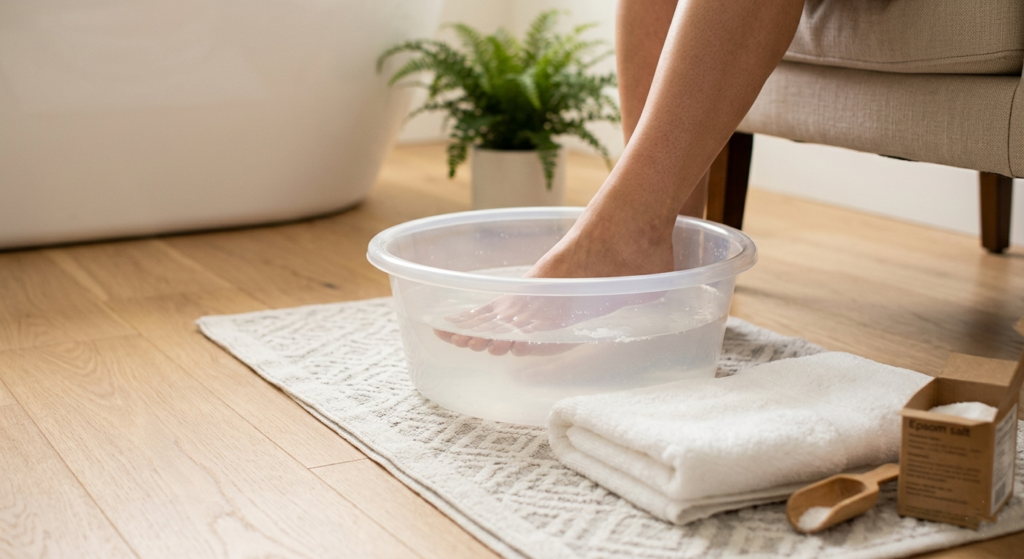
One of the most effective and time-tested home remedies for ingrown nails is a warm foot soak. The AAOS recommends soaking 3 to 4 times daily as a first-line home treatment. Here’s how to do it properly:
- Fill a basin with warm (not hot) water
- Add 1–2 tablespoons of Epsom salt per quart of water
- Soak the affected foot for 15–20 minutes, 2–4 times daily
- Dry the foot thoroughly afterward
The warm water softens the skin around the nail, reducing pressure and tenderness. After soaking, gently push the skin away from the nail edge with a cotton ball if possible — never force it.
Step 2: Essential Oils and Natural Treatments

Several natural treatments can complement warm soaks:
- Tea tree oil — a well-known antimicrobial; dilute 2–3 drops in a carrier oil (like coconut or olive oil) and apply to the nail bed to reduce bacteria and inflammation
- Apple cider vinegar — diluted with equal parts water and applied as a soak or compress, it has mild antiseptic properties
- Coconut oil — helps moisturize hardened skin and has antimicrobial compounds
- Turmeric paste — mixed with a small amount of water and applied topically, turmeric’s curcumin has natural anti-inflammatory effects
Note: Natural remedies can support healing but are not a substitute for medical treatment in infected or severe cases.
Preventing Ingrown Toenails
The most effective strategy for long-term toenail health is preventing ingrown nails from developing in the first place.
Step 3: Proper Nail Trimming Techniques
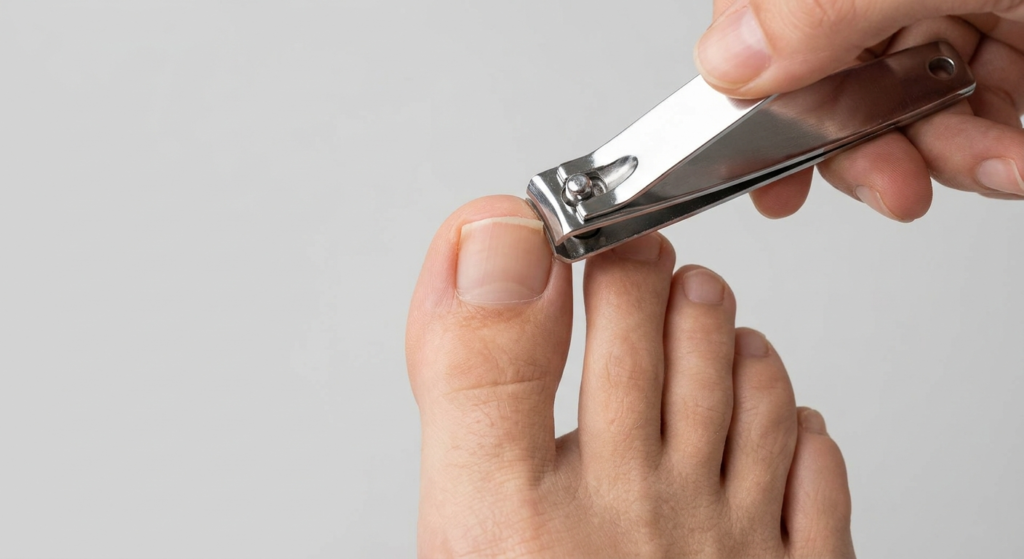
How you trim your nails matters enormously. The National Library of Medicine / InformedHealth.org identifies improper nail trimming as one of the leading causes of ingrown toenails. Follow these evidence-backed guidelines:
- Cut nails straight across — never round the corners or cut in a curved shape
- Don’t cut too short — the nail edge should reach, but not extend much beyond, the tip of the toe; leave the corners slightly longer so they don’t dig into the skin
- Use proper nail clippers — use clippers designed for toenails, which are typically larger and straighter than fingernail clippers
- Trim after bathing — nails are softer and easier to cut cleanly after soaking
- File rough edges — smooth any sharp corners with a nail file to prevent them from snagging and digging in
Trimming every 1–2 weeks is typically appropriate for most adults.
Step 4: Footwear Choices That Promote Toenail Health
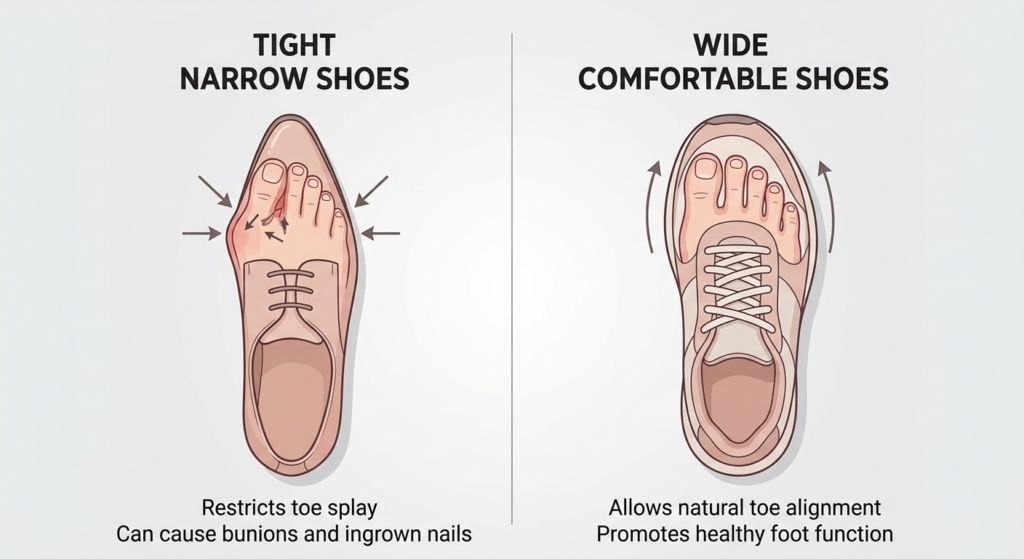
Your shoes may be working against your toenails. To prevent ingrown toenails:
- Choose shoes with a wide, roomy toe box that allows toes to lay flat without compression
- Avoid pointed-toe shoes or high heels that force the toes together
- Make sure shoes fit properly — there should be about a thumb’s width of space between your longest toe and the front of the shoe
- Wear moisture-wicking socks to reduce sweat buildup that softens the skin around nails
- Replace worn athletic shoes regularly, especially if you’re a runner
Ingrown Toenail Relief Techniques
Step 5: Pain Management Strategies

While healing is underway, these strategies can make daily life more comfortable:
- Elevate your foot when sitting or lying down to reduce swelling and throbbing
- Apply a cold pack (wrapped in a cloth) for 10–15 minutes at a time during the first 24–48 hours to reduce acute inflammation
- Take OTC anti-inflammatories like ibuprofen as directed to manage both pain and swelling
- Use loose-fitting footwear — open-toed sandals or wide shoes — to relieve pressure on the nail
- Apply a small piece of cotton or waxed dental floss gently under the nail edge to encourage the nail to grow above the skin (as suggested by both the AAOS and Kaiser Permanente; consult a healthcare provider before attempting)
Step 6: Managing Infection Risks
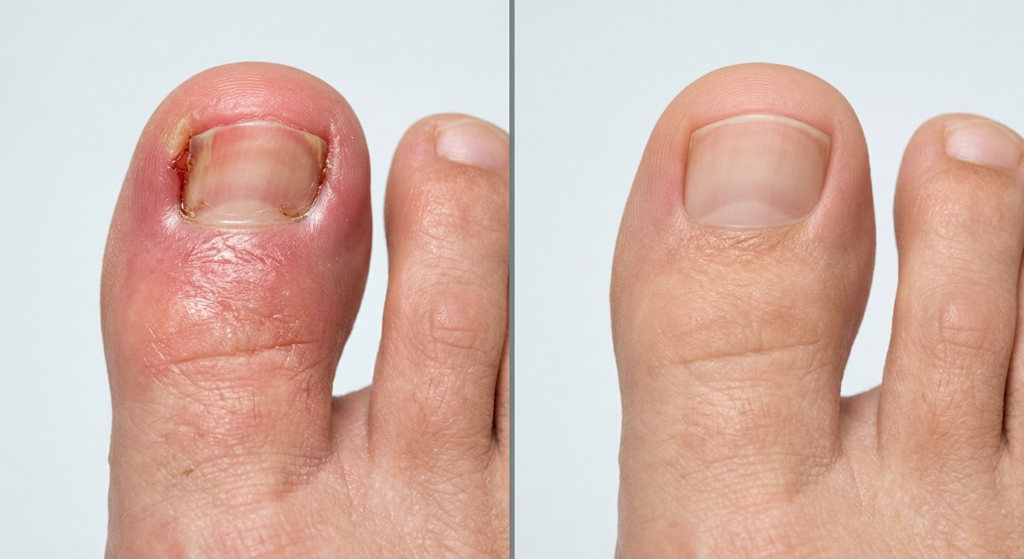
Infection is the most serious complication of an ingrown nail. According to the APMA, if you suspect an infection, you should immerse the foot in a warm salt water soak, apply an antiseptic, and bandage the area — and see a podiatrist promptly. Stay ahead of it by:
- Keeping the area clean and dry between soaks
- Applying a thin layer of antibiotic ointment after soaking
- Covering the toe with a sterile bandage and changing it daily
- Avoiding picking, digging, or cutting the nail yourself if you suspect infection
- Watching for red streaks extending from the toe, which may indicate a spreading infection requiring urgent medical attention
Aftercare and Monitoring
Step 7: Signs Your Treatment Is Working
Consistency is key. Within a few days of proper care, you should notice:
- Gradual reduction in redness and swelling
- Decreased pain when walking or touching the area
- No new drainage or worsening odor
- The skin around the nail beginning to recede naturally
- The nail growing forward rather than digging deeper
Take photos of the area every day or two — it’s a simple way to objectively track whether things are improving or worsening.
When to Follow Up with a Doctor
Even if things seem to be improving, schedule a follow-up if:
- Symptoms return within a few weeks of clearing up
- You’ve had more than two ingrown nails in the same location in a year
- The nail appears thickened, discolored, or deformed — possible signs of a fungal infection
- You’re considering a permanent solution for chronic cases; the Mayo Clinic notes that surgical approaches are more effective at preventing recurrence than nonsurgical methods
Conclusion
Recap of Essential Steps
Here’s a quick summary of the 7 essential steps for how to care for ingrown nails:
- Soak in warm Epsom salt water 2–4 times daily to soften skin and reduce inflammation
- Use natural treatments like tea tree oil as antimicrobial support
- Trim nails correctly — straight across, not too short, with proper tools
- Choose the right footwear to eliminate pressure on the nail
- Manage pain through elevation, cold therapy, and OTC medications
- Prevent infection with antibiotic ointment, clean bandages, and careful monitoring
- Track your healing and know when to escalate to professional care
Encouragement for Long-Term Foot Health
Ingrown nails are common, treatable, and — best of all — largely preventable. By incorporating better nail-trimming habits, smarter shoe choices, and routine foot care into your lifestyle, you can protect your toenail health for the long term and dramatically reduce your risk of recurrence.
Your feet carry you through every step of life. Give them the care they deserve.
Frequently Asked Questions (FAQ)
Q: Can I treat an ingrown toenail completely at home?
A: Yes — for mild cases. If there’s no sign of infection (no pus, no spreading redness, no fever), warm soaks, antibiotic ointment, proper padding, and a change in footwear are often enough to resolve the problem. However, if there’s no improvement after 2–3 days of consistent home care, it’s time to see a healthcare provider.
Q: How long does it take for an ingrown toenail to heal?
A: Mild ingrown toenails treated at home typically improve within one to two weeks. If a podiatrist performs a partial nail avulsion, recovery generally takes 1–2 weeks, with most patients resuming normal activities within a few days — though complete healing varies by individual.
Q: Is it safe to cut out the ingrown part of the nail myself?
A: Generally, no. Attempting to cut or dig out the ingrown portion at home — especially if infection is present — can worsen the condition, introduce more bacteria, and cause additional injury to the nail bed. If the nail is only mildly ingrown and not infected, gently lifting the edge and placing cotton underneath is a safer alternative. Leave cutting to a professional.
Q: Why do I keep getting ingrown toenails in the same spot?
A: Recurrent ingrown toenails in the same location usually point to a structural issue — such as a naturally curved nail, a wide nail plate, or chronic pressure from footwear. A podiatrist can perform a permanent solution called a matrixectomy, which removes part of the nail root and prevents the ingrown section from growing back entirely.
Q: Can ingrown toenails go away on their own?
A: Very mild cases sometimes resolve on their own, particularly if the cause (like tight shoes) is removed quickly. However, most ingrown toenails don’t self-resolve and will worsen over time without proper care. Early treatment is always the best approach.
Q: Are ingrown toenails dangerous for people with diabetes?
A: Yes — significantly so. People with diabetes, peripheral vascular disease, or poor circulation should never attempt home treatment for an ingrown toenail. The risk of serious infection, slow healing, and complications (including ulceration) is much higher. The APMA strongly advises that people with these conditions seek podiatric care at the very first signs of an ingrown nail.
Q: Can children get ingrown toenails?
A: Yes. Children and teenagers can develop ingrown toenails, often due to fast-growing nails, active lifestyles, or ill-fitting shoes. The same home care principles apply for mild cases, but parents should consult a pediatrician or podiatrist sooner, as children may not accurately describe the level of discomfort they’re experiencing.
Q: What’s the difference between a podiatrist and an orthopedic surgeon for treating ingrown toenails?
A: Both can treat ingrown toenails, but podiatrists specialize specifically in foot and ankle care and are typically the most appropriate first point of contact. Orthopedic surgeons focus more broadly on the musculoskeletal system and are more commonly involved if bone-related complications arise.
Helpful Resources:
- American Podiatric Medical Association — Ingrown Toenails
- Mayo Clinic — Ingrown Toenail Diagnosis & Treatment
- AAOS OrthoInfo — Ingrown Toenail
- NLM InformedHealth — Ingrown Toenail Overview
This article is for informational purposes only and does not constitute medical advice. Always consult a qualified healthcare provider for diagnosis and treatment of medical conditions, especially if you have diabetes or circulatory issues.