Gut Health Diet for Beginners: The Best 7 Essential tips
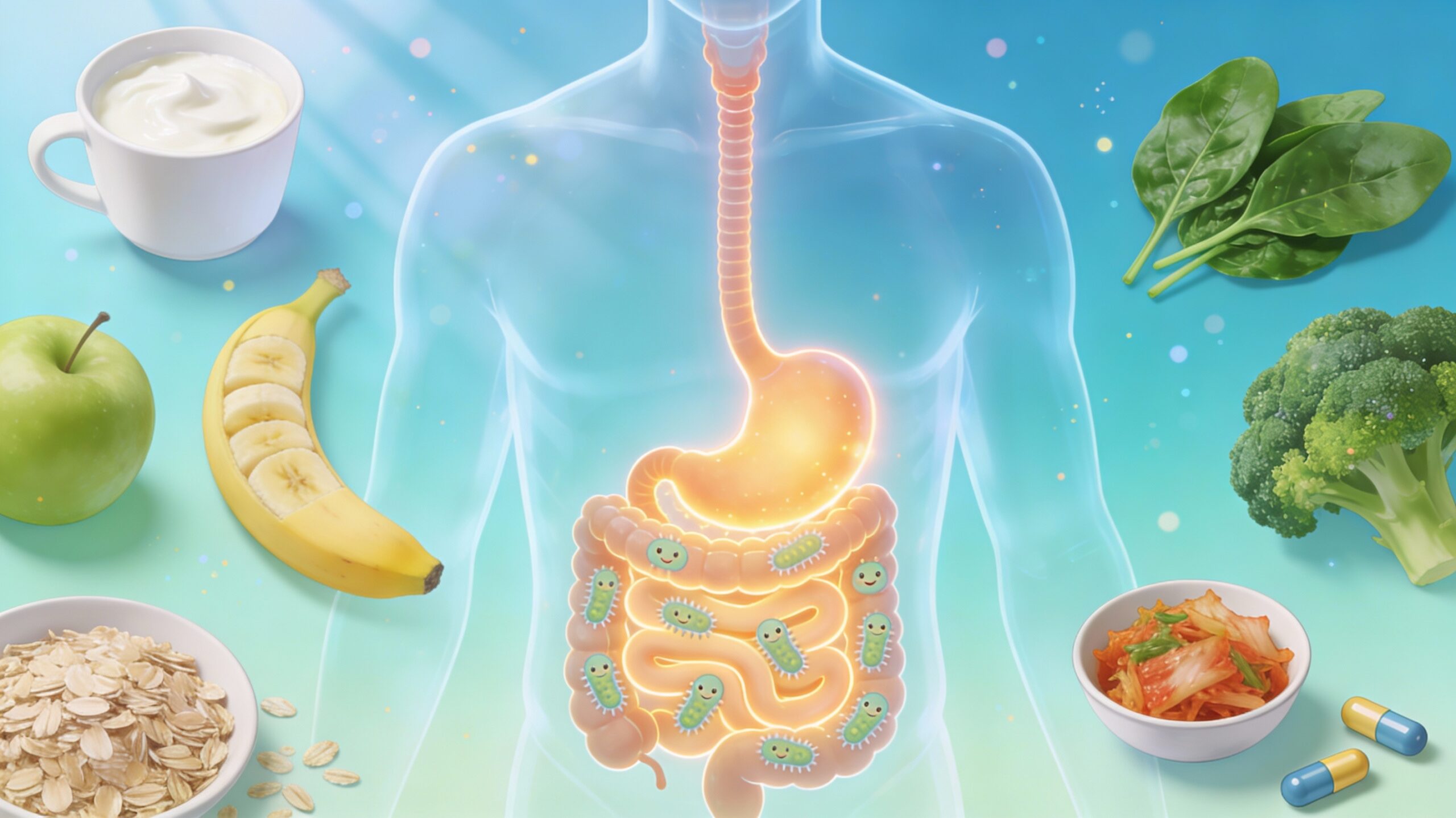
In recent years, the term “gut health” has gained significant attention, and for good reason. A healthy gut is crucial not only for digestion but also for overall well-being. The gut, often referred to as the “second brain,” plays a vital role in your immune system, mood regulation, and even mental health through the gut-brain axis. If you’re looking to start a gut health diet for beginners, you’ve come to the right place. This article will guide you through essential tips and provide insights into gut healing recipes and healthy gut foods that promote a healthy gut.
Summary
This article explains how the gut microbiome affects digestion, immunity, and mood through mechanisms like vitamin synthesis and the gut-brain axis. It highlights signs of imbalance (bloating, irregular bowel habits, fatigue, skin issues, and food intolerances) and offers practical tips for a gut health diet for beginners: eat probiotic and fiber-rich foods, stay well-hydrated, and limit processed foods, artificial sweeteners, and excess alcohol. Simple recipes (a probiotic smoothie, quinoa-chickpea salad, and vegetable-rice soup) provide easy, everyday support for gut health. Consistency and mindful choices can lead to lasting improvements in well-being.
Understanding the Gut Microbiome
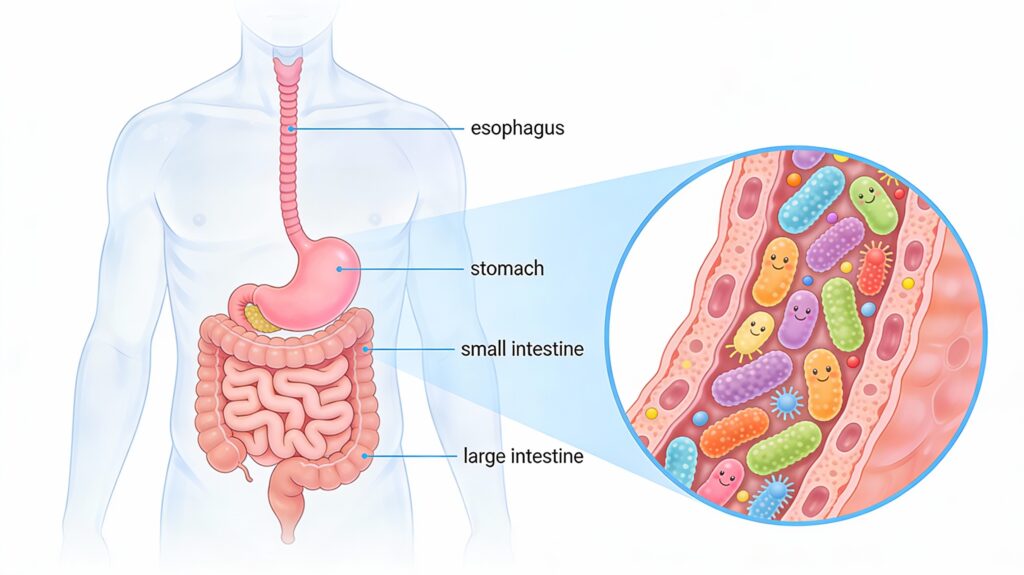
Your gut is home to trillions of bacteria, collectively known as the gut microbiome. These microorganisms are essential for breaking down food, absorbing nutrients, and fighting harmful pathogens. An imbalance in the gut microbiome can lead to a variety of health issues, including digestive problems, weakened immunity, and mental health disorders. Therefore, maintaining a balanced gut is key to overall health.
The Role of the Gut Microbiome
The gut microbiome is a complex community of microorganisms that significantly impacts your health. It helps in the fermentation of indigestible fibers, which are converted into short-chain fatty acids beneficial for colon health. Moreover, the gut microbiome plays a role in synthesizing essential vitamins like B and K, which are crucial for energy metabolism and blood clotting, respectively. A healthy gut microbiome also acts as a barrier, preventing the invasion of pathogens and maintaining the integrity of the gut lining.
Immune System and Gut Health
A staggering 70% of the immune system resides in the gut. The gut-associated lymphoid tissue (GALT) is responsible for producing immune responses to pathogens, thus playing a vital role in maintaining immune homeostasis. A balanced gut microbiome helps in training the immune system to differentiate between harmful and harmless entities, reducing the risk of autoimmune diseases. Additionally, certain beneficial bacteria in the gut produce antimicrobial substances that inhibit the growth of harmful bacteria.
The Gut-Brain Connection
The gut-brain axis is a bidirectional communication pathway between the gut and the brain, influencing mental health. Neurotransmitters like serotonin, often called the “happy hormone,” are produced in the gut. An unhealthy gut can lead to reduced production of these mood-regulating chemicals, potentially leading to anxiety and depression. Moreover, the gut microbiome produces metabolites that interact with the nervous system, influencing stress responses and emotional behavior.
Signs of an Unhealthy Gut
Before diving into a gut health diet, it’s essential to recognize the signs of an unhealthy gut. These may include:
- Frequent Bloating or Gas: Excessive gas and bloating after meals may indicate an imbalance in gut bacteria, often caused by the overgrowth of harmful bacteria or yeast.
- Diarrhea or Constipation: Irregular bowel movements can be a sign that your gut is not processing food efficiently, possibly due to a lack of beneficial bacteria aiding digestion.
- Unexplained Fatigue: Chronic tiredness can stem from an impaired gut microbiome failing to absorb nutrients effectively, leading to energy deficiencies.
- Skin Irritations: Conditions like eczema and acne can be exacerbated by gut inflammation and dysbiosis, where harmful bacteria outnumber beneficial ones.
- Food Intolerances: Difficulty in digesting certain foods may arise from an imbalance in the gut, affecting the enzymes necessary for digestion.
If you experience any of these symptoms, it might be time to focus on improving your gut health.
Essential Tips for a Gut Health Diet
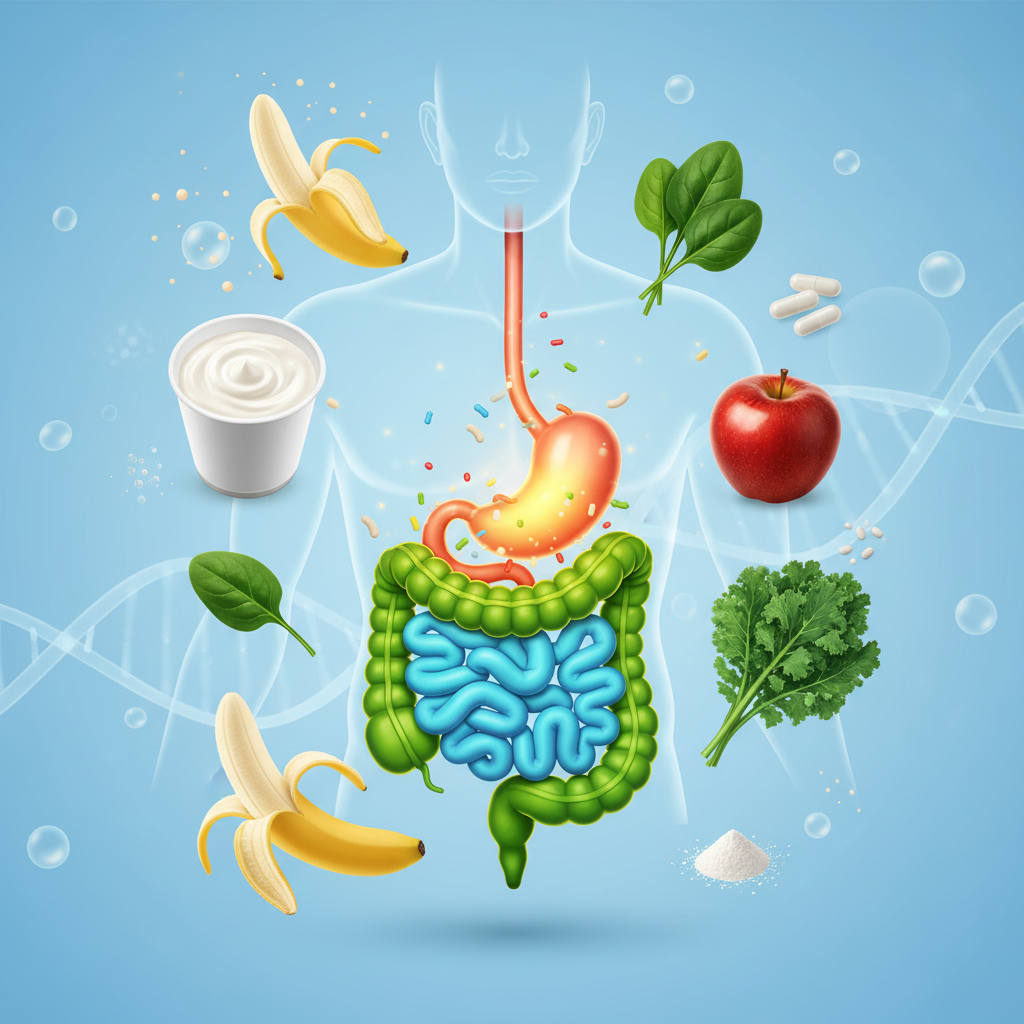
Embarking on a gut health diet for beginners doesn’t have to be complicated. Here are some straightforward tips to get you started:
Eat Probiotic-Rich Foods
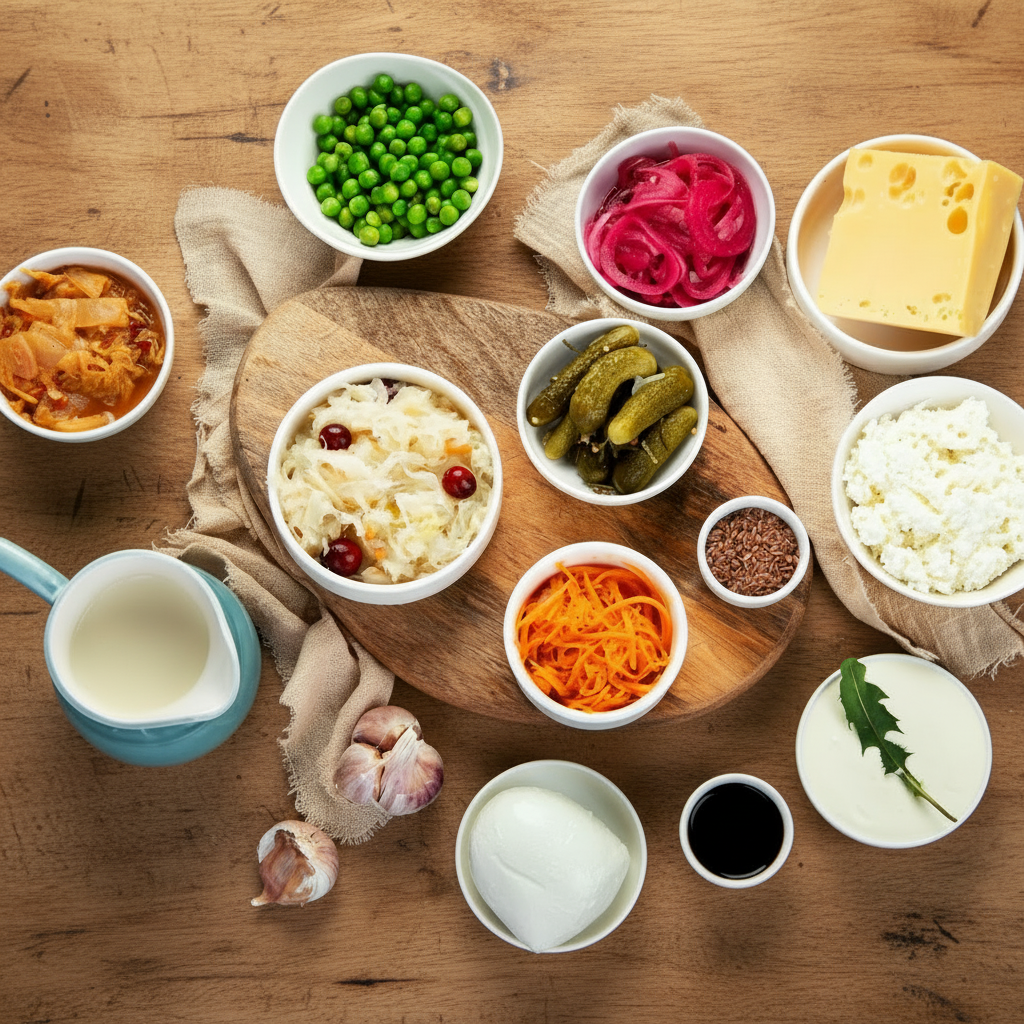
Probiotics are live bacteria that provide health benefits when consumed. They help restore the natural balance of gut bacteria. Foods rich in probiotics include:
- Yogurt: Choose plain, unsweetened yogurt with live and active cultures to maximize probiotic intake. Greek yogurt is a great option for its high protein content.
- Kefir: This fermented milk drink is packed with a diverse range of probiotics. It’s a versatile ingredient that can be used in smoothies, salad dressings, or consumed on its own.
- Sauerkraut: A fermented cabbage dish, sauerkraut is rich in lactobacillus bacteria. Ensure you choose unpasteurized versions to preserve the beneficial microbes.
- Kimchi: This spicy Korean dish is not only flavorful but also teeming with probiotics. It can be added to stir-fries or enjoyed as a side dish.
- Miso: A staple in Japanese cuisine, miso is a fermented soybean paste that adds depth to soups and sauces while providing gut-friendly bacteria.
Including these healthy gut foods in your diet can aid digestion and improve gut health.
Increase Fiber Intake
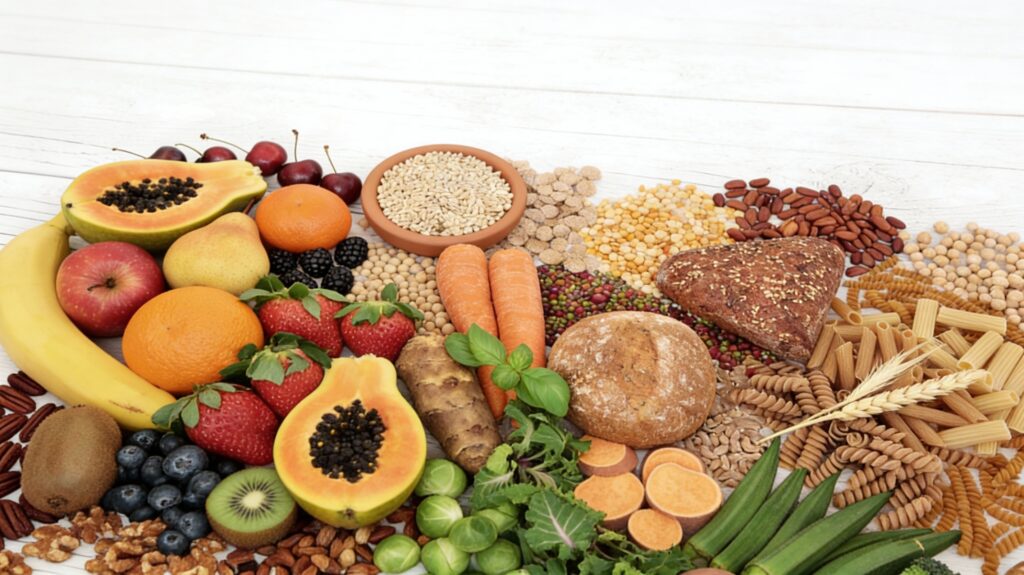
Fiber is crucial for a healthy gut as it acts as a prebiotic, feeding the beneficial bacteria in your gut. Fiber-rich foods support the microbiome and many healthy gut foods are naturally high in fiber. Some excellent sources of fiber are:
- Whole Grains: Foods like oats, brown rice, and quinoa are high in soluble fiber, which helps to regulate blood sugar levels and support gut bacteria.
- Legumes: Beans, lentils, and chickpeas are not only high in fiber but also rich in protein, making them a nutritious addition to any meal.
- Fruits like Apples and Bananas: Apples contain pectin, a type of soluble fiber that promotes the growth of beneficial bacteria. Bananas are rich in inulin, a prebiotic fiber that aids digestion.
- Vegetables Such as Broccoli and Carrots: These vegetables are high in insoluble fiber, which adds bulk to stool and supports regular bowel movements.
A diet rich in dietary fiber not only promotes gut health but also helps in maintaining a healthy weight.
Stay Hydrated
Water is essential for digestion and the absorption of nutrients. It helps break down food and ensures the smooth passage of waste through the gut. Aim to drink at least eight glasses of water a day to keep your digestive system functioning optimally.
- Importance of Hydration: Adequate hydration is vital for maintaining the mucosal lining of the intestines, which aids in nutrient absorption and barrier function.
- Herbal Teas: In addition to water, herbal teas like ginger or peppermint can soothe the digestive tract and alleviate symptoms like bloating and indigestion.
- Infused Water: Adding slices of lemon, cucumber, or mint to your water can enhance the flavor and encourage increased fluid intake throughout the day.
Avoid Certain Foods
Just as there are foods that promote gut health, some can be detrimental. Here are a few to watch out for:
Limit Processed Foods
Highly processed foods often contain additives and preservatives that can disrupt the gut microbiome. Try to minimize the consumption of processed snacks, ready meals, and sugary drinks.
- Additives and Preservatives: These substances can irritate the gut lining and contribute to inflammation, potentially leading to dysbiosis.
- Refined Sugars: High sugar intake can encourage the growth of harmful bacteria and yeast, leading to an imbalance in the gut microbiome.
- Trans Fats: Common in processed foods, trans fats can promote inflammation and negatively impact gut health.
Reduce Artificial Sweeteners
While they may seem like a healthier alternative to sugar, artificial sweeteners can significantly alter the gut microbiome. Opt for natural sweeteners like honey or maple syrup in moderation.
- Impact on Gut Bacteria: Artificial sweeteners have been shown to alter gut microbiota composition, potentially leading to glucose intolerance.
- Natural Alternatives: Honey, maple syrup, and stevia are better options that offer sweetness without adverse effects on gut health.
- Moderation is Key: Even natural sweeteners should be consumed in moderation to prevent spikes in blood sugar levels.
Moderate Alcohol Consumption
Alcohol can disrupt the balance of bacteria in your gut and lead to inflammation. If you choose to drink, do so in moderation.
- Gut Barrier Function: Alcohol consumption can weaken the gut barrier, making it more permeable to toxins and pathogens.
- Inflammatory Response: Excessive drinking can trigger inflammation in the gut, exacerbating conditions like leaky gut syndrome.
- Moderate Consumption: Limit alcohol intake to one drink per day for women and two for men to minimize its impact on gut health.
Gut Healing Recipes
Now that you know what to include and avoid in your diet, let’s explore some gut healing recipes that are both delicious and beneficial for your gut health.
Probiotic Smoothie
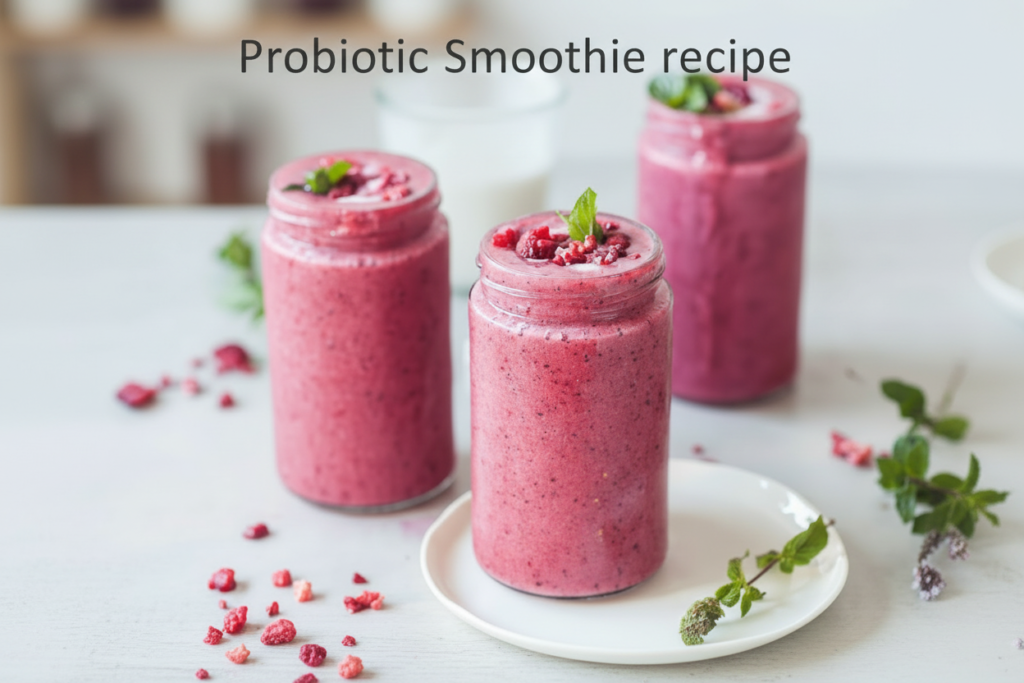
Ingredients:
- 1 cup yogurt or kefir
- 1 banana
- 1/2 cup frozen berries
- 1 tablespoon chia seeds
- 1 tablespoon honey
Instructions:
- Blend all ingredients until smooth.
- Serve immediately and enjoy a refreshing start to your day.
Nutritional Benefits: This smoothie is a powerhouse of probiotics, fiber, and antioxidants, making it an ideal breakfast option.
Customizable: Feel free to swap berries with your favorite fruit or add a handful of spinach for an extra nutrient boost.
On-the-Go Convenience: This smoothie can be prepared in minutes, perfect for busy mornings or as a post-workout snack.
Quinoa and Chickpea Salad
Ingredients:
- 1 cup cooked quinoa
- 1/2 cup chickpeas
- 1/2 cup cherry tomatoes, halved
- 1/4 cucumber, diced
- 2 tablespoons olive oil
- Juice of 1 lemon
- Salt and pepper to taste
Instructions:
- In a large bowl, combine quinoa, chickpeas, tomatoes, and cucumber.
- Drizzle with olive oil and lemon juice.
- Season with salt and pepper, then toss to combine.
Versatile Meal: This salad can be enjoyed as a main course or a side dish, providing a hearty serving of fiber and protein.
Meal Prep-Friendly: Prepare a large batch and store in the fridge for a quick, nutritious meal throughout the week.
Flavor Enhancements: Add fresh herbs like parsley or mint for added flavor and additional health benefits.
Healing Vegetable and Rice Soup
Ingredients:
- 1 tablespoon olive oil
- 1 onion, chopped
- 2 cloves garlic, minced
- 1 carrot, sliced
- 1 zucchini, chopped
- 4 cups vegetable broth
- 1 cup cooked brown rice
- Salt and pepper to taste
Instructions:
- In a large pot, heat olive oil over medium heat. Add onion and garlic, sauté until fragrant.
- Add carrot and zucchini, cook for 5 minutes.
- Pour in the vegetable broth and bring to a boil. Reduce heat and simmer for 15 minutes.
- Stir in cooked brown rice, season with salt and pepper. Serve warm.
Comforting and Nourishing: This soup is rich in antioxidants and fiber, making it a comforting option for soothing digestive discomfort.
Adaptable Ingredients: Feel free to add other vegetables or swap brown rice for quinoa or barley to vary the texture and nutrient profile.
Batch Cooking: Prepare a large pot and freeze portions for easy access to a healthy meal on busy days.
Conclusion
A gut health diet for beginners is not just a trend; it’s a lifestyle choice that can have profound effects on your overall health. By incorporating probiotic-rich choices and healthy gut foods high in fiber while avoiding harmful substances, you can maintain a balanced gut microbiome and improve your well-being. The recipes provided are just a starting point to help you on your journey to better gut health. Remember, consistency is key, and small changes can lead to significant improvements over time.
Long-Term Benefits: Embracing a gut-friendly diet can lead to improved digestion, enhanced immune function, and a more stable mood.
Mindful Eating: Paying attention to how different foods affect your gut can empower you to make informed dietary choices.
Community and Support: Consider joining groups or forums focused on gut health to share experiences, recipes, and support each other on the journey to optimal well-being.