Food of a Parrot: Discover the Best 5 Nutrition Tips for Long Life & Vibrant Health
Parrots are vibrant, intelligent birds that bring joy to many homes. Their health depends greatly on their diet.
A balanced diet is crucial for a parrot’s well-being. It ensures they receive all necessary nutrients.
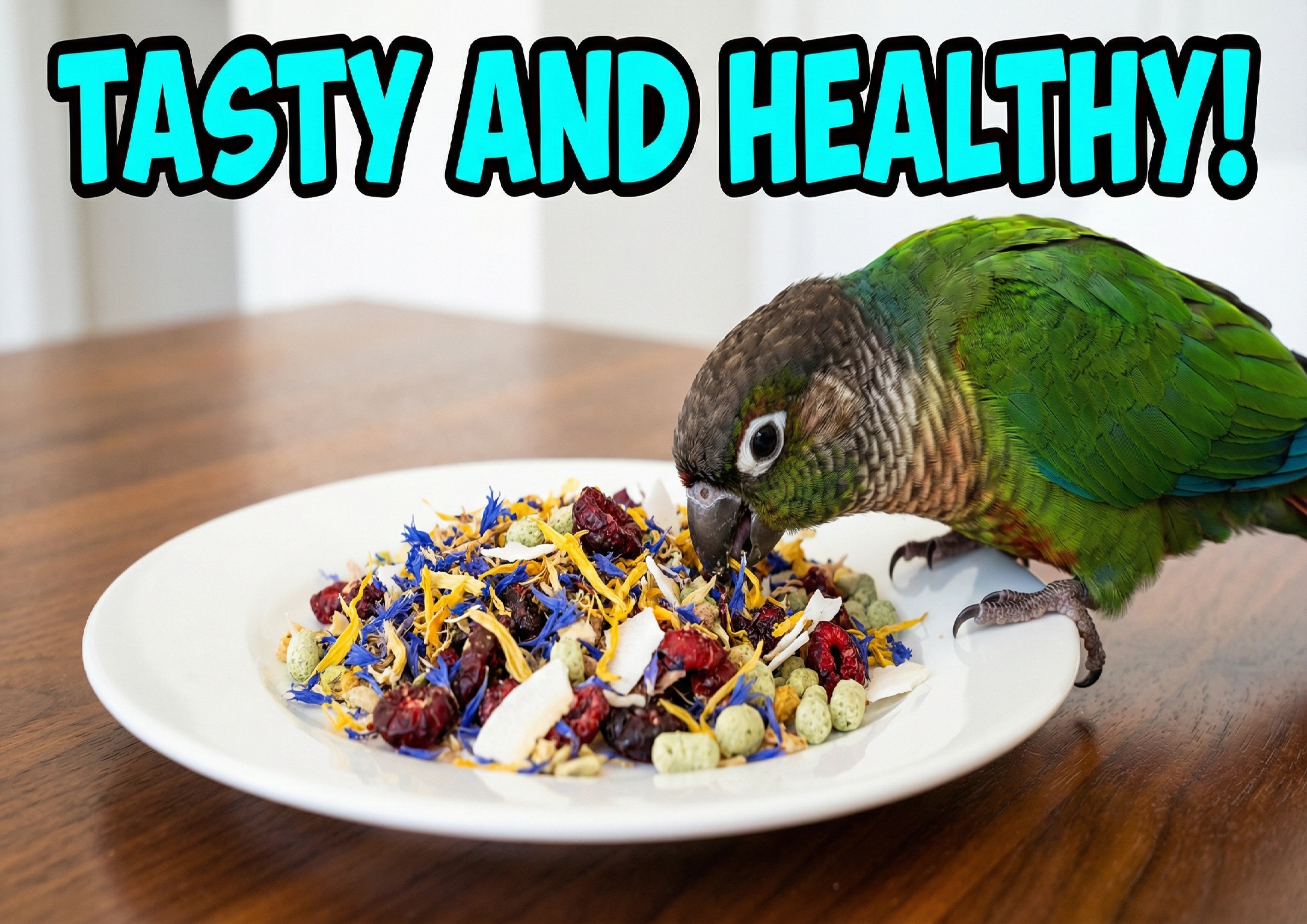
The food of a parrot should be diverse. This includes fresh fruits, vegetables, seeds, and nuts.
Pelleted diets are also popular. They offer a convenient way to provide balanced nutrition.
However, not all foods are safe for parrots. Some common foods can be harmful or even toxic.
Understanding what to feed your parrot is essential. It helps prevent health issues and promotes longevity.
Parrots have unique dietary needs. These can vary based on species, age, and health status.
In this guide, we’ll explore the essentials of a healthy parrot diet.
Summary
A healthy parrot diet is varied and balanced, anchored by quality pellets plus abundant vegetables, some fruit, whole grains and legumes, with seeds and nuts used sparingly. Hydration, hygiene, and safe food choices are essential; avoid toxic items like chocolate, avocado, caffeine, alcohol, and excess salt or sugar. Needs differ by species and life stage, so observe your bird, adjust portions, and consult an avian veterinarian; use supplements and treats judiciously. This guide covers core nutrients, safe and unsafe foods, species-specific considerations, and practical feeding tips to support long-term health and vitality.
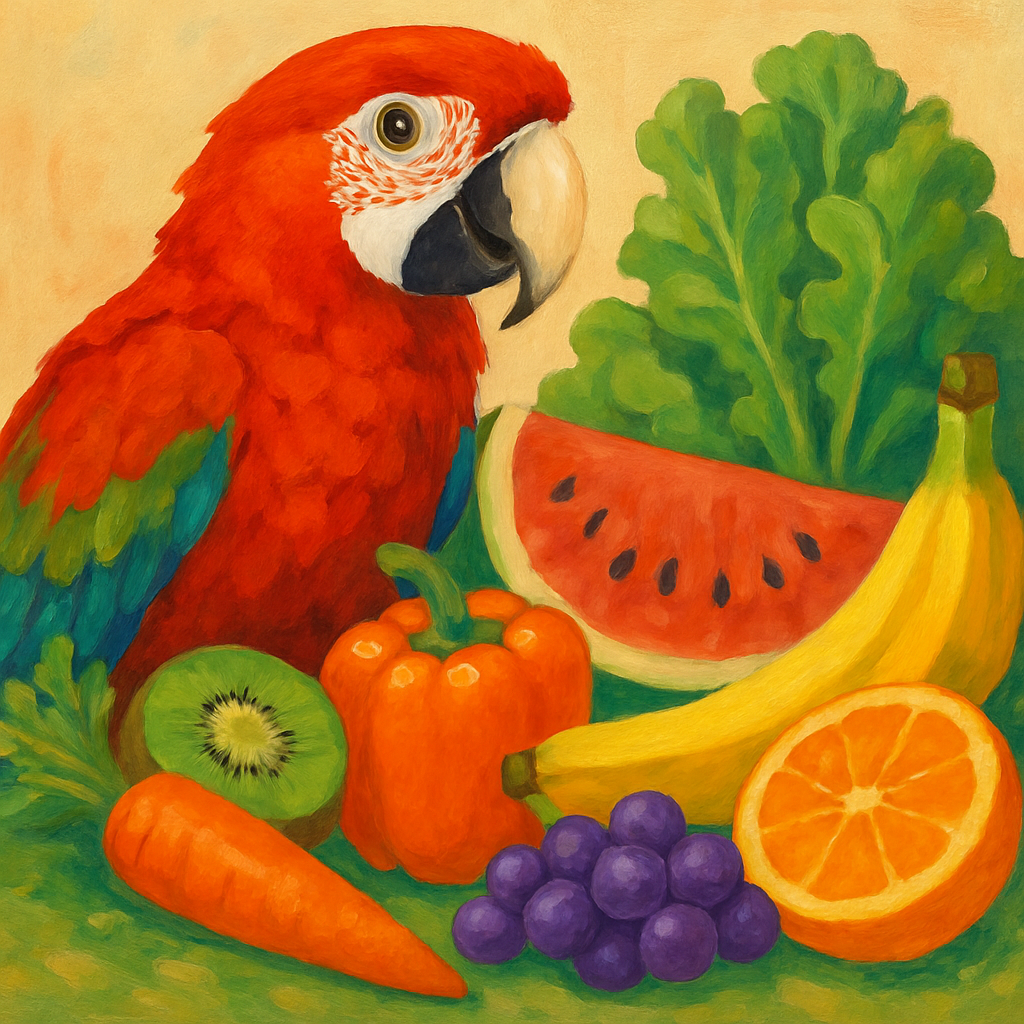
Understanding Parrot Nutrition: The Basics
Parrots are not just pets; they are companions with unique nutritional needs. A deep understanding of their diet is crucial. Providing a balanced diet helps ensure your parrot remains healthy and vibrant.
Each parrot species has specific dietary requirements. Understanding these can support their overall health and happiness.
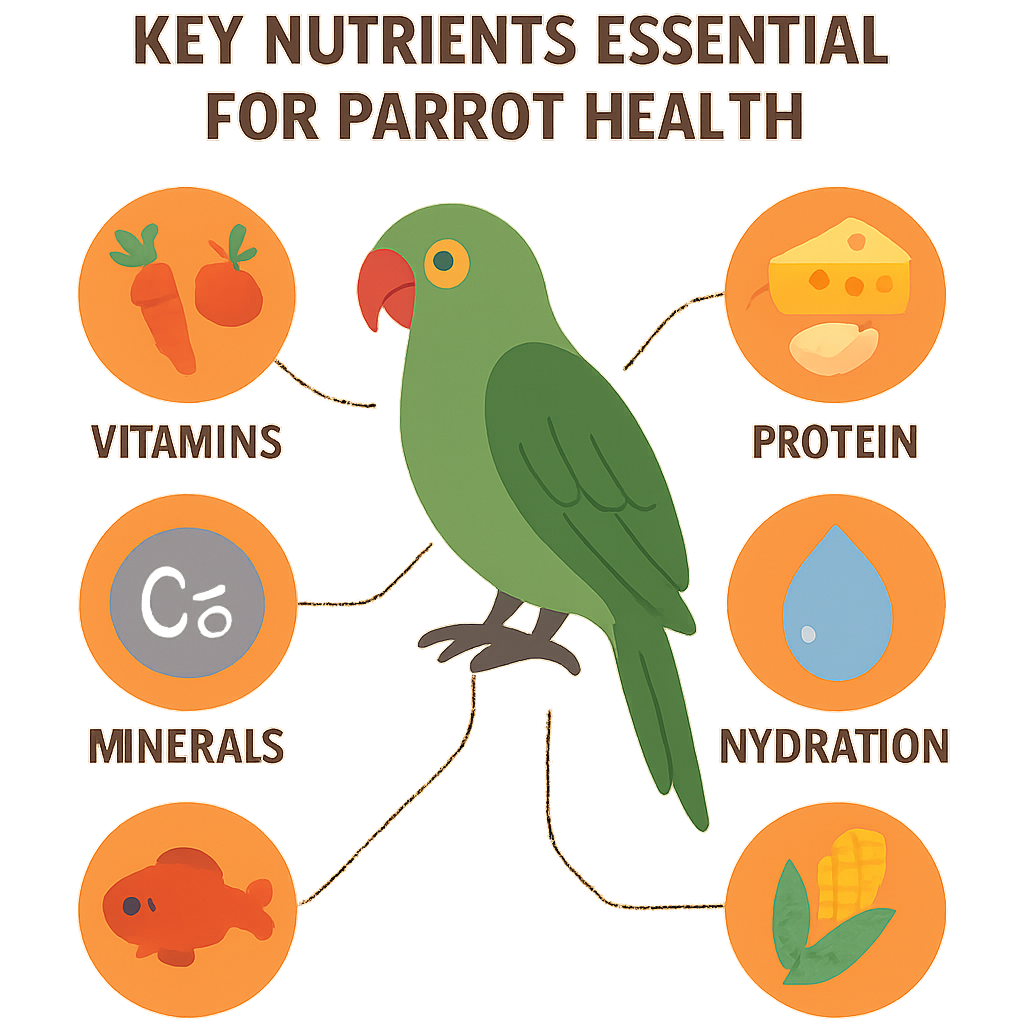
A well-rounded parrot diet consists of various essential components. This includes vitamins, minerals, fats, proteins, and carbohydrates.
Variety is not just preferred—it’s necessary. Parrots need a mix of fresh produce and other food types.
Pellets, fruits, and vegetables form a robust diet foundation. They provide essential nutrients for growth and energy.
Certain nutrients play pivotal roles in a parrot’s health, such as:
- Calcium: Supports bone strength and egg formation in females.
- Vitamin A: Critical for healthy skin and feathers.
- Fiber: Improves digestion and prevents obesity.
Hydration is equally important. Parrots need constant access to clean, fresh water. This prevents dehydration and aids in digestion.
Analyzing a parrot’s natural diet offers insights. Wild parrots consume a rich variety of foods. Mimicking this in captivity can enhance well-being.
It’s vital to observe your parrot’s eating habits. Changes can indicate health issues or dietary imbalances.
Consulting an avian veterinarian can aid in dietary planning. They can provide personalized recommendations based on species and health.
The Core Components of a Balanced Parrot Diet
Creating a balanced diet for your parrot is about mixing different food categories. A varied diet ensures all nutritional needs are met, promoting health and longevity. The primary components of a parrot’s diet should include:
- Fruits: Provide vitamins and natural sugars.
- Vegetables: Supply essential minerals and fibers.
- Pellets: Offer a concentrated source of nutrients.
- Seeds and Nuts: Should be given in moderation due to high fat content.
- Whole Grains and Legumes: Add fiber and protein.
Fruits are a significant component of a parrot’s diet. They contain essential vitamins and fiber, beneficial for digestion. However, fruit should be offered in moderation because of their sugar content.
Vegetables form the bedrock of a nutritious diet. Rich in vitamins and minerals, they support overall health and vitality. Offering a colorful mix will help cover a broad range of nutrients.
Pellets can be a staple diet component. They’re formulated to offer a balanced blend of essential nutrients. However, they should not be the only food source.
Seeds and nuts can complement the diet, providing fats and proteins. These foods should not exceed a minimal portion due to high calories. They can be used as occasional treats or training rewards.
Whole grains like quinoa and legumes such as lentils are excellent. These provide fiber and protein, supporting digestive health. Including them ensures a well-rounded diet.
Monitoring portion sizes is crucial to prevent obesity. Overfeeding can lead to serious health issues. Regular checks help maintain proper weight and condition.
Observing your parrot’s diet and behavior is key. Sudden changes could indicate dietary inadequacies or health issues. Adjustments may be needed to ensure balanced nutrition.
 by Zoshua Colah (https://unsplash.com/@zoshuacolah)
Fresh Fruits: Nature’s Treats for Parrots
Fresh fruits are delightful treats that most parrots love. They add color and flavor to the diet, enticing your feathered friend. However, not all fruits are suitable.
Fruits offer natural sugars and essential vitamins. They are great sources of Vitamin A and C. It’s important to select those that are safe.
Common fruits for parrots include:
- Apples (without seeds): Offer fiber and Vitamin C.
- Berries: Rich in antioxidants and Vitamin C.
- Grapes: Hydrating and sweet, though high in sugar.
- Bananas: Provide potassium and energy.
Remember to clean fruits thoroughly. Pesticides and chemicals on skins can be harmful. Offering organic fruits can reduce these risks.
Moderation is vital when feeding fruits. Excess fruit can lead to weight gain due to sugar. Serving small portions ensures a balanced intake.
Introducing new fruits gradually helps your parrot adapt. Observing which fruits they favor can guide diet planning. It also prevents gastrointestinal upset.
 by Dima Langemann (https://unsplash.com/@dimqa)
Nutritious Vegetables: Essential for Health
Vegetables are fundamental to a healthy parrot diet. They offer essential nutrients that fruits and pellets may lack. Serving a variety helps support all body functions.
Popular vegetables include:
- Carrots: Packed with Vitamin A for healthy skin and feathers.
- Spinach: Offers iron and calcium for strong bones.
- Bell Peppers: Rich in Vitamin C and various antioxidants.
Leafy greens are particularly beneficial. They are low in fat but high in nutrients. It’s advised to rotate different types for nutritional diversity.
Avoid feeding your parrot onions, garlic, or nightshade vegetables. These can be toxic and cause serious health problems. Always verify safety before introducing new veggies.
Freshness is key when offering vegetables. Fresh and raw vegetables retain the most nutrients. Ensure they are thoroughly washed to eliminate pesticides.
Incorporating a mix of colors provides a range of nutrients. Bright, varied vegetables ensure a vibrant and inviting presentation. This encourages your parrot to explore different tastes.
 by GUY GRANDJEAN (https://unsplash.com/@kheper)
Seeds and Nuts: How Much Is Too Much?
Seeds and nuts are popular with parrots. They are energy-rich and tasty, but they must be moderated. High fat content poses a risk for weight gain and obesity.
Seeds should not dominate a parrot’s diet. They lack certain nutrients present in fruits and vegetables. Instead, they can be occasional treats or supplements.
Popular seeds and nuts include:
- Sunflower Seeds: Tasty but high in fat; use sparingly.
- Almonds: Great source of protein; serve in moderation.
- Millet: Often used as a treat for training.
While nuts are nutritious, they are calorie-dense. Their rich fats can lead to obesity if not controlled. Offering them occasionally ensures nutritional balance.
Balancing seeds with other foods is crucial. A varied diet prevents nutritional deficiencies. Incorporate them as part of an overall strategy, not as a staple.
Carefully monitor portion sizes of these high-calorie foods. Training rewards are an excellent use for seeds and nuts. This practice helps keep consumption in check.
 by Ujjwal Jajoo (https://unsplash.com/@uj1109)
Pelleted Diets: Are They Necessary?
Pelleted diets can serve as a foundational part of a balanced diet. Specially formulated, they include the essential vitamins and minerals parrots need. This makes them convenient for ensuring nutritional adequacy.
Not all pellets are equal. Selecting a high-quality, species-appropriate pellet is crucial. This ensures your parrot receives a balanced nutrient profile.
Benefits of pellets include:
- Ease of Use: Convenient and reduces meal prep time.
- Balanced Nutrition: Formulated to cover key dietary needs.
- Variety: Available in different formulations to suit specific species.
Some parrots may resist pellets initially. Gradual introduction with other favored foods can help. Mixing them with fruits and vegetables can increase acceptance.
Pellets should not replace all other foods. Fresh produce remains vital for a nutritious diet. A mix ensures your parrot has a well-rounded intake.
 by engin akyurt (https://unsplash.com/@enginakyurt)
Whole Grains and Legumes: Adding Variety
Whole grains and legumes are vital additions to a parrot’s diet. They offer fiber, proteins, and essential nutrients, supporting overall health. Incorporating them can diversify and enrich the diet.
Excellent grains and legumes for parrots include:
- Quinoa: Protein-rich and easy to prepare.
- Brown Rice: Offers fiber and complements other foods well.
- Lentils: Packed with protein and essential minerals.
These foods provide valuable energy sources. Their complex carbohydrates sustain energy and maintain steady blood sugar levels. Regular inclusion can contribute to optimal health.
Cooking grains and legumes before serving is recommended. This ensures they are easily digestible for parrots. It also enhances their flavor and texture.
Rotating different grains can prevent dietary monotony. This keeps your parrot engaged with mealtime. Their varied textures can also stimulate natural foraging behaviors.
 by Gilberto Olimpio (https://unsplash.com/@golimpio)
Foods to Avoid: Protecting Your Parrot from Harm
Protecting your parrot involves knowing which foods are harmful. Some items common in human diets can be toxic to parrots. Being informed helps keep your feathered friend healthy and safe.
Certain foods can cause serious health issues if consumed. Even small amounts may be dangerous. Thus, vigilance is key when offering new foods.
Avoid giving parrots:
- Chocolate: Contains theobromine, which is toxic.
- Avocado: Persin in avocados can lead to heart failure.
- Caffeine and Alcohol: Both can be fatal to birds.
In addition to these, foods high in salt should be avoided. High sodium can lead to dehydration and kidney issues. Processed foods often contain unhealthy levels of salt.
Foods rich in sugar or artificial additives can harm parrots. Sugary foods contribute to obesity and related health problems. Artificial ingredients may cause allergic reactions.
Regularly inspect your home for toxic foods within reach of your parrot. This helps ensure they don’t access dangerous items accidentally. Implement proper storage and handling practices.
Consulting an avian vet can clarify which foods to avoid. They offer guidance tailored to your parrot’s specific needs. Gaining this insight enhances your ability to provide a safe diet.
 by aayan moojee (https://unsplash.com/@aayaan_m)
Special Dietary Needs by Parrot Species
Different parrot species have unique dietary requirements. Understanding these needs helps provide optimal nutrition. Each species may have specific foods that benefit them more than others.
For instance, African Grey parrots need extra calcium due to their high calcium metabolism. Insufficient calcium can lead to bone issues. Therefore, offering calcium-rich foods like leafy greens is essential.
Conversely, Amazon parrots are prone to obesity. Monitoring their calorie intake is crucial. Feeding them a diet rich in vegetables and low in high-fat seeds helps maintain their ideal weight.
Furthermore, some small species, like budgerigars, thrive on grass seeds and small grains. Large pellets might not suit them well. Tailoring their food to match their natural intake ensures a balanced diet.
Here’s a quick guide to special dietary considerations:
- African Grey: High calcium
- Amazon Parrots: Low-fat diet
- Macaws: High-energy foods
- Cockatiels: Fresh vegetables and small seeds
Knowing what each species requires enriches their lives. Observing the natural habitats and diets of parrots can provide insight. This practice aids in crafting a nutritious diet plan for your specific parrot.
Lastly, consulting with an avian veterinarian ensures dietary needs are met. They can offer species-specific advice and check for potential deficiencies. This proactive approach keeps parrots healthy and happy.
 by Biswanath Mahato (https://unsplash.com/@itsbiswanath)
Supplements and Treats: What’s Safe and Beneficial?
Supplements and treats play a key role in a parrot’s diet. They are not just for indulgence but offer important nutrients. However, it is crucial to use them wisely.
Calcium supplements, like cuttlebones, are often essential. They support strong bones and egg-laying hens. Mineral blocks can also offer a balanced mineral intake.
Treats can include fresh fruit slices and vegetables. These provide fun and enrichment, preventing dietary boredom. Always ensure treats are free from pesticides and harmful chemicals.
A well-rounded parrot diet might include:
- Cuttlebone: Calcium source
- Mineral Block: Balances minerals
- Sprouted Seeds: Nutritious snack
- Fruit & Veggie Treats: Variety & excitement
While supplements and treats are beneficial, over-reliance is a risk. They should complement, not replace, a balanced diet. Remember, moderation prevents negative health impacts.
Consulting an avian vet can guide proper use. They offer advice on suitable supplements for specific parrot species. This ensures that your parrot’s dietary needs are fully supported.
 by Jyoti Singh (https://unsplash.com/@econut)
Feeding Tips and Best Practices for Parrot Owners
Proper feeding practices are essential for parrot health. Consistency in meal times can create a stable routine. It helps parrots feel secure in their environment.
Observing your parrot’s eating habits offers valuable insights. Sudden changes might indicate health issues. Monitoring can prevent potential problems from escalating.
Food presentation can enhance mealtime. Offering a mix of textures and colors keeps feeding interesting. Different food shapes can also stimulate your parrot’s curiosity.
Hygiene should never be overlooked. Regularly clean all food and water dishes to prevent bacteria growth. Use mild soap and rinse thoroughly.
Some feeding tips for parrot owners include:
- Routine: Keep consistent feeding times
- Observation: Watch for dietary changes
- Variety: Offer diverse food textures and colors
- Hygiene: Clean dishes regularly
Always provide fresh water. Parrots need access to clean water throughout the day. This is as essential as any dietary component.
Feeding your parrot is a dynamic process. It involves continual learning and adjustment. Being attentive to their needs results in a healthier, happier pet.
 by Katelyn G (https://unsplash.com/@katelyn_g)
Common Questions About Parrot Diets
Parrot owners often wonder about the best dietary practices for their pets. Feeding the right foods is crucial for maintaining optimal health.
One common question is about portion sizes. It varies depending on the parrot’s size and activity level. Observing your bird’s appetite helps tailor their diet.
Another frequent query concerns food variety. Parrots need a mix of fruits, vegetables, and pellets. A diverse diet supports nutrient intake and prevents monotony.
Safety is another major concern for owners. Knowing which foods are harmful is vital to prevent accidents. Awareness ensures a safer environment for your feathered friend.
Here are key questions parrot owners often ask:
- How much should my parrot eat daily?
- What variety of foods should be included?
- Which foods should be avoided for safety?
- How can I ensure balanced nutrition?
Understanding these aspects makes feeding your parrot easier. It empowers owners to make informed choices. A well-fed parrot is a healthier, happier companion.
Conclusion: Building a Healthy, Happy Parrot Diet
Creating a balanced diet for your parrot requires thought and commitment. It’s crucial to offer a variety of foods. A mix of fruits, vegetables, pellets, and grains ensures comprehensive nutrition.
Each parrot has unique dietary needs. Observing their preferences and health will guide your food choices. Always consult an avian vet for tailored advice if you have concerns.
Providing a healthy diet is an ongoing process. Stay informed and adjust based on your parrot’s responses. With proper care, your parrot will enjoy a long and joyful life. Keeping their diet diverse and nutritious is key to their wellbeing.