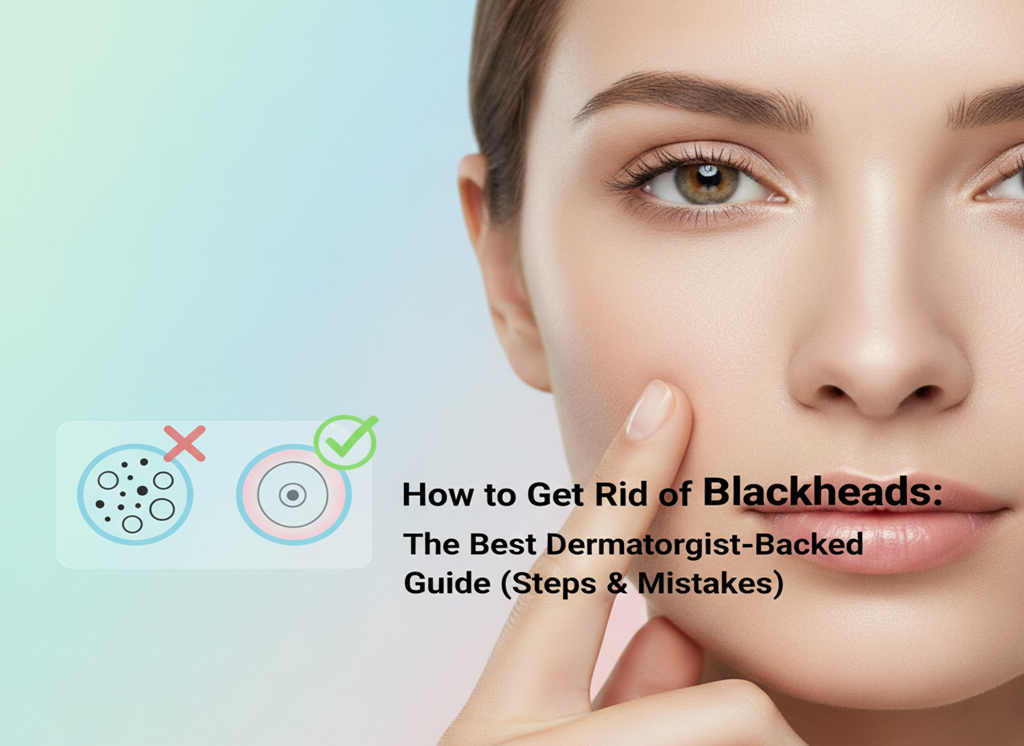
How to Get Rid of Blackheads: The best Dermatologist-Backed Guide (Steps & Mistakes)
If you’ve ever looked closely at your nose and noticed those tiny dark dots that won’t budge no matter how much you wash your face, you’re dealing with blackheads. These stubborn pore inhabitants are one of the most common skincare complaints, yet most people are using the wrong approach to eliminate them. In this comprehensive guide, we’ll walk you through exactly how to get rid of blackheads safely and effectively, while avoiding the common mistakes that could actually make your skin worse.
Blackheads vs. Sebaceous Filaments: Know the Difference
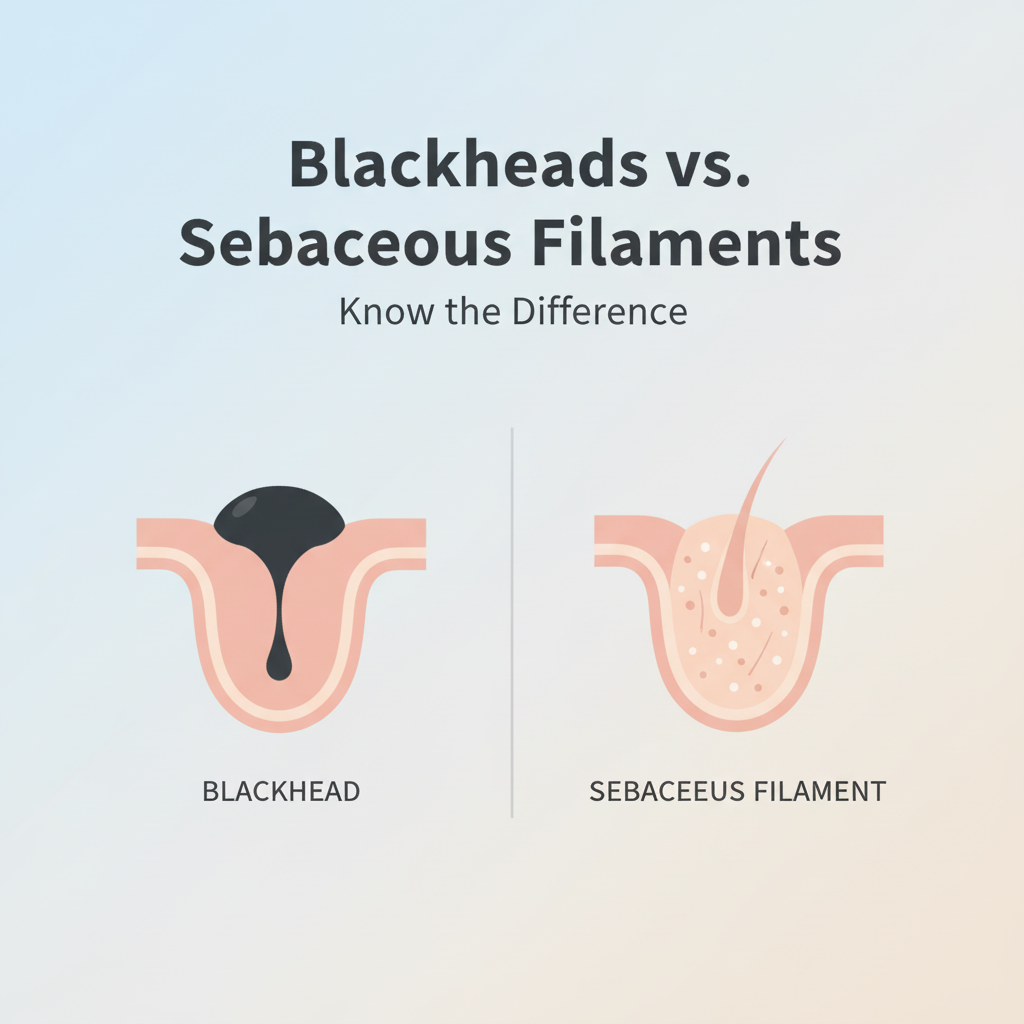
Before you start popping blackheads or investing in expensive treatments, here’s a crucial reality check: what you’re seeing might not even be blackheads at all.
Blackheads are a type of acne (comedones) that form when dead skin cells and excess sebum clog your pores. When this mixture reaches the surface and oxidizes upon contact with air, it turns dark—hence the name. They feel slightly raised and have a distinctly dark appearance.
Sebaceous filaments, on the other hand, are completely normal structures that line your pores and help sebum flow to the surface of your skin. Everyone has them, particularly in the T-zone. They appear as small, pin-like dots (usually gray or tan rather than black) and lie flat against the skin.
Key Differences at a Glance:
| Feature | Blackheads | Sebaceous Filaments |
|---|---|---|
| Color | Dark black or deep gray | Light gray, tan, or yellowish |
| Texture | Slightly raised, bumpy | Flat, smooth |
| Location | Can appear anywhere | Concentrated on nose and chin |
| Removal | Can be extracted | Return within 30 days even after removal |
| Nature | Acne/pore blockage | Normal skin function |
Understanding this distinction is critical because treating sebaceous filaments like blackheads can lead to unnecessary irritation and damage. According to the American Academy of Dermatology, attempting to permanently eliminate sebaceous filaments is like trying to stop your skin from producing oil—it’s fighting against your skin’s natural biology.
The 3-Step Blackhead Removal Routine
Now that you know what you’re dealing with, let’s dive into the most effective method for removing actual blackheads and preventing new ones from forming.
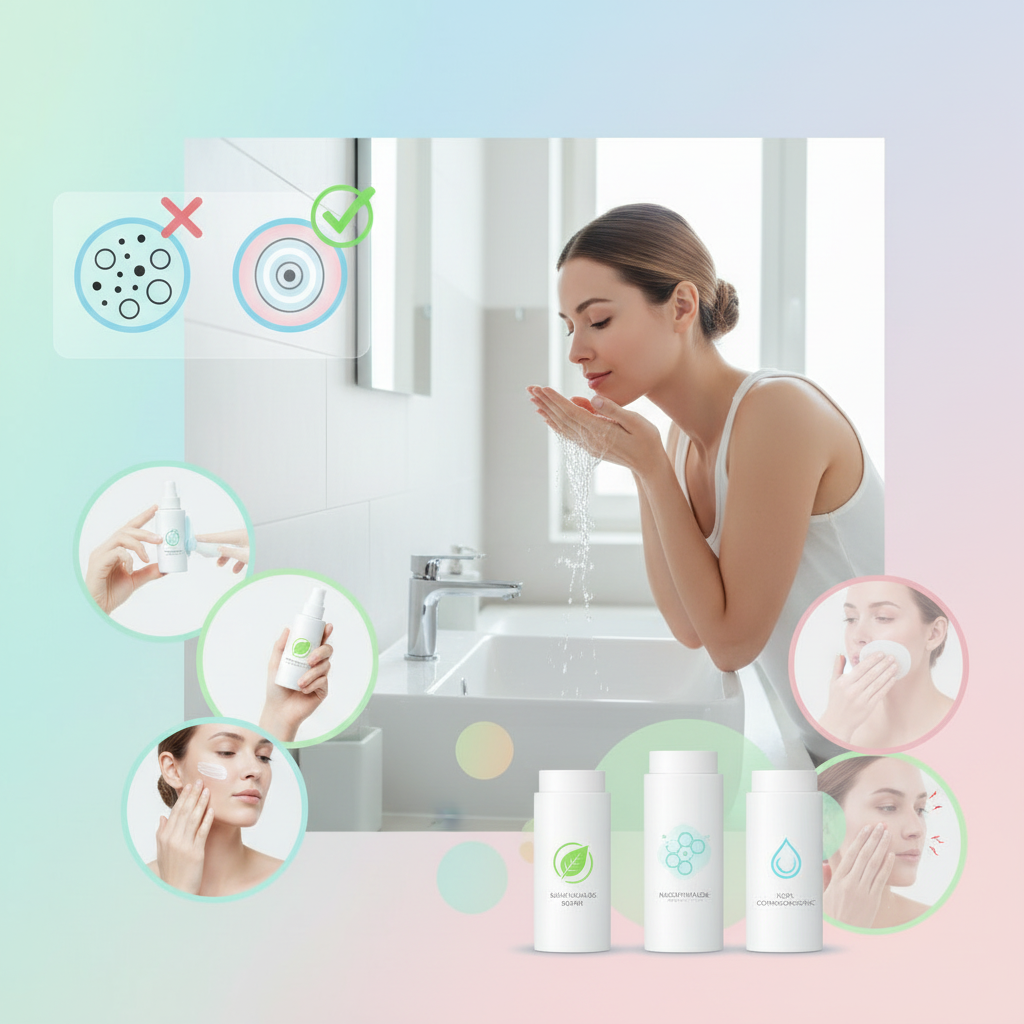
Step 1: Chemical Exfoliation (BHA/Salicylic Acid)
Chemical exfoliation using beta hydroxy acids (BHAs) is the gold standard for addressing blackheads on nose and other affected areas. Unlike physical scrubs that only work on the surface, BHAs penetrate deep into your pores to dissolve the oil and dead skin cell buildup.
Salicylic acid is the most effective BHA for blackhead treatment. Here’s what you need to know about concentration:
- 1% Salicylic Acid: Ideal for sensitive skin or beginners. Provides gentle exfoliation with minimal irritation.
- 2% Salicylic Acid: The dermatologist-recommended strength for most skin types. Offers maximum efficacy for unclogging pores without prescription strength.
How to use it:
- Apply to clean, dry skin after cleansing
- Start with 2-3 times per week, gradually increasing to daily use as tolerated
- Always follow with moisturizer to prevent over-drying
- Use sunscreen during the day, as exfoliating acids increase sun sensitivity
“Salicylic acid is oil-soluble, which means it can penetrate through the lipid layers between skin cells and into pores to dissolve the debris causing blackheads. This is why it’s more effective for this specific concern than water-soluble AHAs.” — Dr. Joshua Zeichner, Director of Cosmetic and Clinical Research in Dermatology at Mount Sinai Hospital
Step 2: Mechanical Extraction (When to See a Pro)
While it’s tempting to squeeze every blackhead you see, improper extraction can lead to scarring, infection, and post-inflammatory hyperpigmentation.
When professional extraction is recommended:
- Large, persistent blackheads that don’t respond to topical treatments
- Blackheads in delicate areas (around eyes, near the hairline)
- If you have active acne or inflamed skin
- When you’re prone to scarring or have darker skin tones
If you choose to extract at home (occasional, very visible blackheads only):
- Steam your face or apply a warm compress for 5-10 minutes to soften pores
- Use clean extraction tools, never fingernails
- Apply gentle, even pressure around—not directly on—the blackhead
- Stop immediately if it doesn’t come out easily
- Apply an antiseptic afterward
Important warning: According to Cleveland Clinic, aggressive squeezing can rupture the pore wall beneath the skin’s surface, pushing bacteria and debris deeper into the dermis and potentially causing cystic acne or permanent scarring.
Step 3: Prevention (Retinoids & Double Cleansing)
The most effective blackhead treatment is preventing them from forming in the first place. Two strategies stand out:
Retinoids (Vitamin A derivatives):
- Increase cell turnover rate, preventing dead skin buildup
- Regulate sebum production
- Keep pores clear by preventing keratin accumulation
- Start with over-the-counter retinol (0.25% – 1%) or prescription tretinoin for stubborn cases
Double Cleansing Method:
- First cleanse: Oil-based cleanser to dissolve sebum, sunscreen, and makeup
- Second cleanse: Water-based cleanser to remove remaining impurities and sweat
This method is particularly effective because the oil-based cleanser breaks down the sebum plugs before they oxidize into blackheads, while the second cleanse ensures nothing is left behind to clog pores.
How to Treat Blackheads by Skin Type
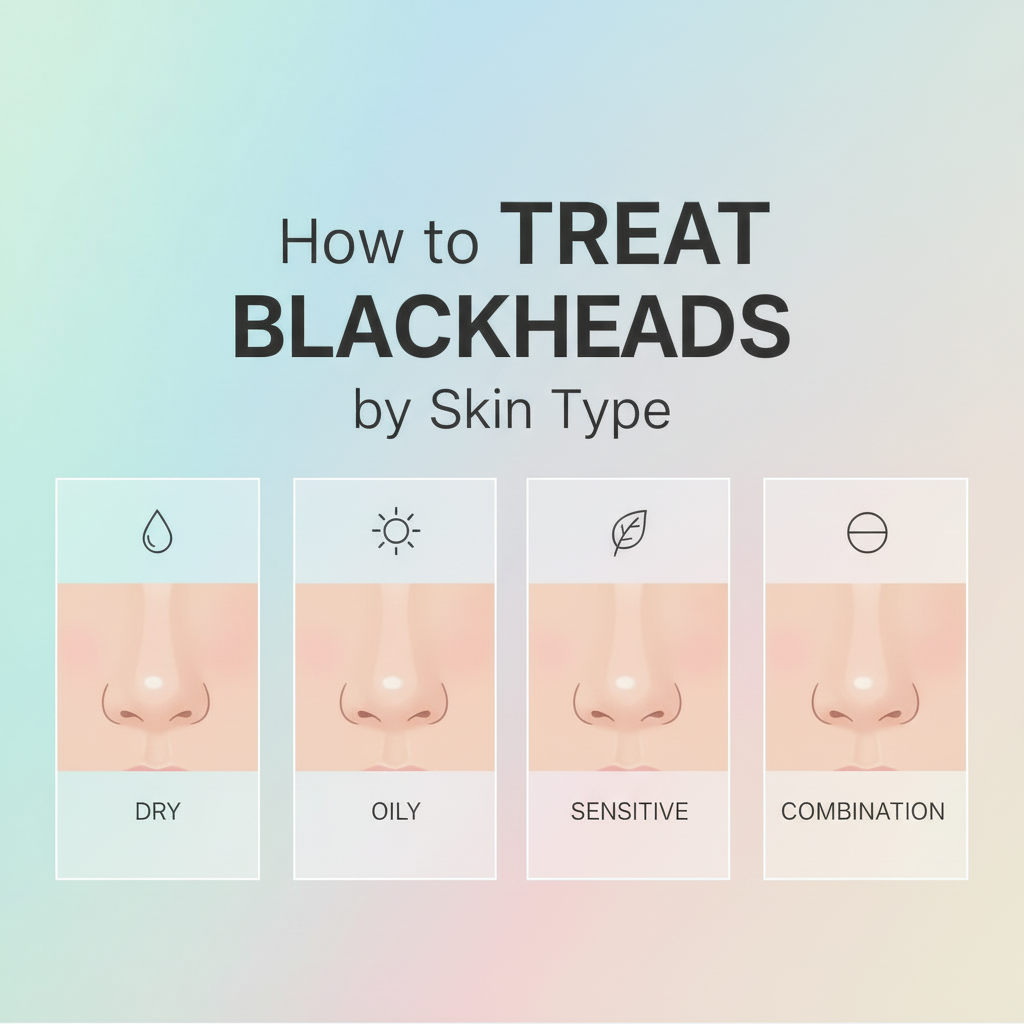
Generic advice rarely delivers results because every skin type responds differently to active ingredients. Here’s how to customize your approach:
Dry Skin
If you have dry skin, traditional blackhead treatments can feel harsh and stripping. Your strategy:
- Primary exfoliant: Lactic acid (an AHA) at 5-10% concentration. It’s gentler than salicylic acid while still providing effective exfoliation.
- Hydration is key: Layer a hydrating serum (hyaluronic acid or glycerin-based) before your moisturizer to prevent the tight, uncomfortable feeling.
- Oil cleansing: Embrace oil-based cleansers—they dissolve blackheads without stripping your natural moisture barrier.
- Frequency: Use active ingredients 2-3 times weekly, alternating with deeply hydrating masks.
Oily Skin
Oily skin types can handle—and often need—more aggressive blackhead treatment:
- Primary exfoliant: 2% salicylic acid, used daily or twice daily if tolerated.
- Clay masks: Use kaolin or bentonite clay masks 1-2 times weekly to absorb excess oil and draw out impurities from pores.
- Niacinamide: This multitasking ingredient regulates sebum production while minimizing pore appearance. Look for 5-10% concentrations.
- Gel-based products: Opt for lightweight, gel-based moisturizers to hydrate without adding oil.
Sensitive Skin
Sensitive skin requires a delicate balance—you need effective treatment without triggering inflammation:
- Primary exfoliant: Polyhydroxy acids (PHAs) like gluconolactone or lactobionic acid. These newer-generation exfoliants have larger molecular structures, so they penetrate more slowly and cause less irritation.
- Patch test everything: Always test new products on a small area for 48 hours before full-face application.
- Azelaic acid: At 10-20% concentration, this gentle option reduces blackheads while calming redness and inflammation.
- Barrier support: Use ceramide-rich moisturizers to strengthen your skin barrier, which reduces reactivity over time.
- Frequency: Start with once-weekly application, increasing only if no irritation occurs.
Combination Skin
Target different zones with different strategies:
- Use salicylic acid on your T-zone (where blackheads on nose and chin typically appear)
- Apply gentler hydrating products to cheek areas
- Consider using different moisturizers for different face regions
4 Blackhead Hacks That Damage Your Skin
The internet is flooded with DIY blackhead removal tricks that promise instant results. Unfortunately, many of these viral “hacks” can seriously harm your skin. Here are the worst offenders:
1. Baking Soda Scrubs
The claim: Baking soda exfoliates and balances skin pH.
The reality: Your skin’s natural pH is around 4.5-5.5 (slightly acidic). Baking soda has a pH of 9, making it highly alkaline. Using it disrupts your skin’s acid mantle—the protective barrier that keeps moisture in and bacteria out.
The damage: Compromised skin barrier, increased sensitivity, dryness, and paradoxically, more blackheads as your skin overcompensates by producing extra oil.
2. Lemon Juice
The claim: The citric acid in lemons acts as a natural chemical exfoliant.
The reality: While lemon juice does contain citric acid, it’s incredibly acidic (pH 2) and contains compounds called psoralens that make your skin photosensitive.
The damage: Chemical burns, severe hyperpigmentation, and increased sun damage risk. The Mayo Clinic warns that applying citrus fruits directly to skin can cause phytophotodermatitis—essentially a chemical burn that appears hours after sun exposure.
3. Toothpaste
The claim: The drying agents in toothpaste “shrink” blackheads.
The reality: Toothpaste is formulated for tooth enamel, not delicate facial skin. It contains menthol, fluoride, and other irritating ingredients.
The damage: Contact dermatitis, peeling, redness, and potential scarring. There’s no scientific evidence supporting toothpaste for blackhead treatment.
4. Pore Strips (Used Frequently)
The claim: They physically pull blackheads out of pores.
The reality: Pore strips primarily remove sebaceous filaments and surface debris, not actual blackheads. The adhesive is strong enough to temporarily extract some material, but it returns quickly.
The damage: When used repeatedly, pore strips can:
- Damage delicate capillaries near the skin surface
- Strip away the skin barrier
- Cause broken capillaries and spider veins
- Lead to enlarged pores over time as skin loses elasticity
“Pore strips can provide temporary cosmetic improvement, but they’re not addressing the underlying cause of blackheads. Plus, the mechanical stress from repeated use can damage the skin’s structural integrity.” — Dr. Shari Marchbein, board-certified dermatologist
Additional Tips for Long-Term Blackhead Management
Beyond the core routine, these strategies will help you maintain clear pores:
Weekly Clay Mask Treatment: Apply a purifying clay mask to blackhead-prone areas once weekly. Clay absorbs excess oil and draws out impurities without harsh scrubbing.
Non-Comedogenic Products Only: Check that all your skincare and makeup products are labeled “non-comedogenic,” meaning they won’t clog pores. Heavy oils like coconut oil can worsen blackheads in acne-prone individuals.
Regular Pillowcase Changes: Change your pillowcase at least twice weekly. Oil, dirt, and bacteria accumulate on fabric and transfer back to your skin nightly.
Consider Professional Treatments: For persistent blackheads, dermatologists offer advanced treatments:
- Chemical peels (stronger concentrations than at-home options)
- Microdermabrasion
- HydraFacial treatments
- Prescription retinoids (tretinoin, adapalene)
The Bottom Line
Learning how to get rid of blackheads effectively requires understanding the science behind what causes them, choosing the right active ingredients for your skin type, and—most importantly—avoiding the damaging shortcuts that promise quick fixes.
The three-pillar approach of chemical exfoliation with BHAs, professional extraction when necessary, and prevention through retinoids and proper cleansing will deliver the best long-term results. Remember that consistency matters more than intensity: gentle, regular treatment will always outperform harsh, sporadic interventions.
If you’ve been struggling with blackheads for months despite following a proper routine, or if you’re experiencing painful, inflamed acne alongside blackheads, it’s time to consult a dermatologist. They can prescribe stronger treatments and rule out underlying hormonal or medical issues that might be contributing to your skin concerns.
Your skin is unique, and finding the perfect routine may take some trial and error—but armed with this evidence-based information, you’re now equipped to make informed decisions and finally achieve the clear, healthy skin you deserve.