7 Surprising Benefits of Combining Diet and Fitness for Optimal Health
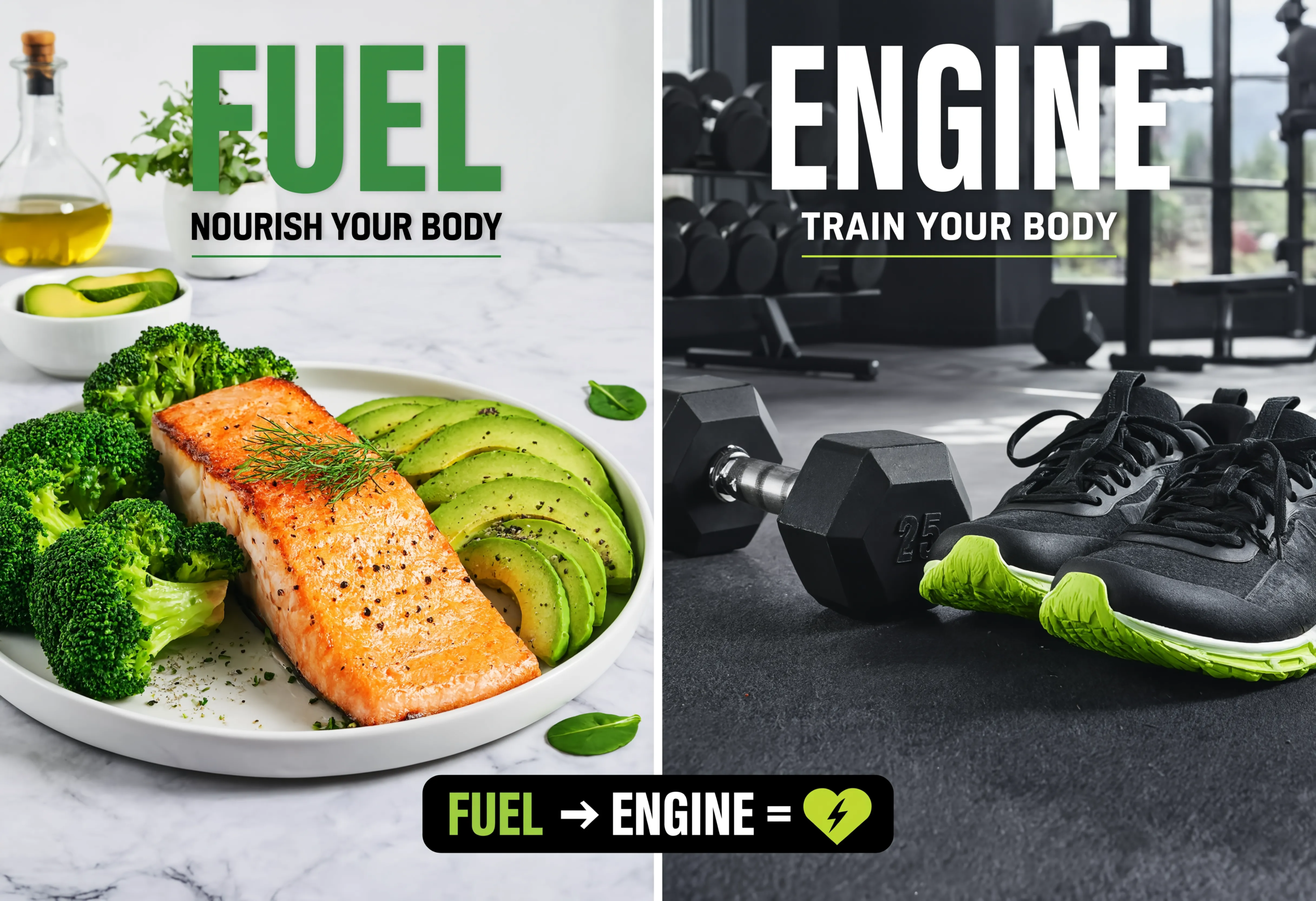
Most people treat diet and exercise as two separate goals — eating less or moving more. But the science is clear: when you combine the two intentionally, the results go far beyond what either can achieve alone. A 2024 position paper by the Academy of Nutrition and Dietetics confirms that individuals who consistently maintain a nutritious diet and adequate physical activity have improved overall health and a lower incidence of noncommunicable diseases. Whether you’re chasing weight loss, building muscle, or just trying to feel better day to day, a well-matched diet and fitness strategy is the most powerful tool available to you.
Here are 7 surprising benefits you get when you stop choosing between the two and start using them together.
1. Enhanced Weight Loss
Diet for Fitness and Weight Loss
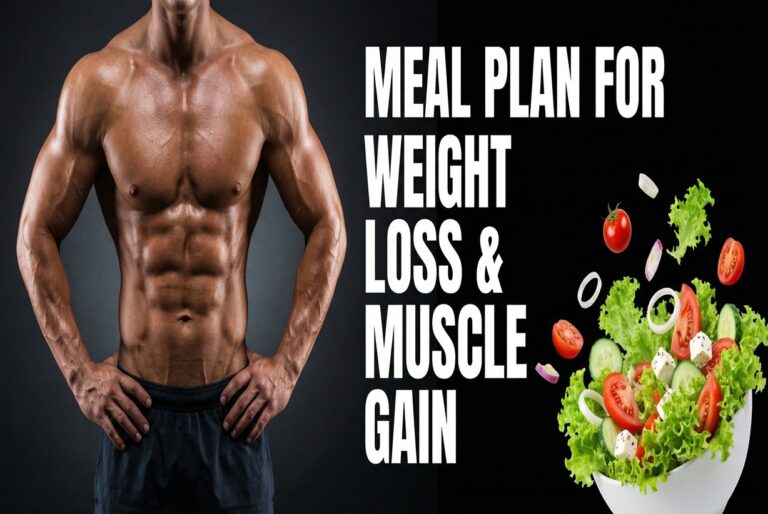
You’ve probably heard that “abs are made in the kitchen” — and there’s real truth to it. Nutrition is the foundation of any effective diet for fitness and weight loss. Consuming whole foods rich in fiber, lean protein, and healthy fats helps regulate hunger hormones like ghrelin and leptin, making it easier to maintain a caloric deficit without white-knuckling your way through cravings.
A diet built around minimally processed foods also stabilizes blood sugar, preventing the energy crashes that send people reaching for fast food at 3 p.m. Think: leafy greens, legumes, whole grains, eggs, and lean proteins as your nutritional anchors.
Research published in Frontiers in Nutrition highlights that efforts to counter obesity through diet or exercise alone have been of limited success — emphasizing that an integrated approach is key for sustainable weight management.
Exercise Routines for Weight Loss
Diet controls calories in — exercise accelerates calories out, and does much more. Exercise routines for weight loss that combine both cardio and strength training are consistently shown to be more effective than cardio alone. Strength training in particular builds metabolically active muscle tissue, meaning your body burns more calories even at rest.
A well-structured weekly plan might look like: 3 days of resistance training, 2 days of moderate-intensity cardio (like brisk walking or cycling), and 2 active recovery days. Pair this with a calorie-conscious but nutrient-rich diet, and weight loss becomes sustainable — not punishing.
2. Improved Muscle Growth
Protein Intake for Muscle Growth
Muscle doesn’t grow from exercise alone — it grows from exercise plus adequate nutrition. Protein intake for muscle growth is one of the most studied topics in sports nutrition. According to the International Society of Sports Nutrition (ISSN) and the American College of Sports Medicine (ACSM), active adults should aim for 1.4 to 2.2 grams of protein per kilogram of body weight per day to optimize muscle protein synthesis — well above the standard RDA designed for sedentary individuals.

High-quality protein sources include:
- Chicken breast — a lean, versatile staple
- Greek yogurt — high in protein and gut-friendly probiotics
- Eggs — a complete protein with excellent bioavailability
- Salmon — combines protein with anti-inflammatory omega-3s
- Lentils and tofu — plant-based powerhouses for vegetarians
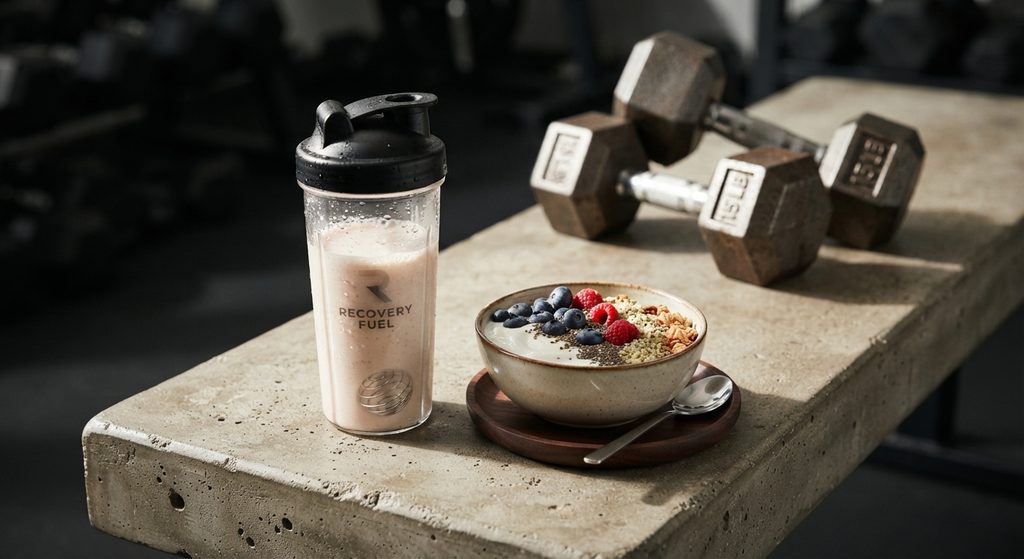
Timing also matters. Consuming 20–40g of protein within 30–60 minutes post-workout gives your muscles the amino acids they need when they’re most receptive.
Effective Exercise and Nutrition Pairing
Progressive overload (gradually increasing weight or reps over time) is the training principle that signals your muscles to grow. But without sufficient protein and total caloric intake, your body lacks the raw materials to act on that signal. The combination of progressive resistance training and a protein-rich diet creates a genuine synergy — each amplifies the other’s effectiveness.
3. Increased Energy Levels
Healthy Eating Habits
Chronic fatigue is often not a sleep problem — it’s a nutrition problem. Healthy eating habits that prioritize complex carbohydrates, adequate hydration, and micronutrient-dense foods provide a steady, sustained energy supply throughout the day.
Simple swaps that make a real difference:
- Replace refined grains with oats, quinoa, or brown rice
- Swap sugary drinks for water infused with lemon or cucumber
- Add magnesium-rich foods (spinach, almonds, dark chocolate) to combat the mineral deficiency linked to fatigue
- Don’t skip breakfast — a protein and fiber-rich morning meal sets a stable energy baseline

The Mayo Clinic recommends eating a healthy meal or snack with both carbohydrates and protein before workouts to maximize performance and recovery.
Impact of Fitness on Energy
Counterintuitively, expending energy through exercise actually increases your overall energy levels. Regular physical activity improves mitochondrial efficiency — your cells literally get better at producing energy. It also improves sleep quality, reduces cortisol (the stress hormone that drains you), and boosts endorphins. Even a 20-minute walk can significantly reduce feelings of fatigue within hours.
4. Better Mental Health
Connection Between Diet and Mood
The gut-brain axis is one of the most exciting frontiers in nutritional science. According to Harvard Health, roughly 95% of the body’s serotonin — the neurotransmitter that regulates mood, sleep, and appetite — is produced in the gastrointestinal tract, not the brain. Your gut microbiome, shaped largely by what you eat, plays a direct role in emotional regulation. A diet rich in fiber, fermented foods, and diverse plant matter supports a healthier microbiome, which in turn supports emotional resilience.
On the flip side, as Harvard Health explains, gut inflammation triggered by highly processed foods and excess sugar can disrupt the production of serotonin and other mood-related chemicals — with measurable effects on mental health. What you eat is, quite literally, a mental health decision.

Fitness and Stress Relief
Exercise is one of the most evidence-backed interventions for stress, anxiety, and mild-to-moderate depression. Physical activity triggers the release of endorphins, brain-derived neurotrophic factor (BDNF), and dopamine — a neurochemical cocktail that improves mood, sharpens focus, and builds psychological resilience over time.
The U.S. Department of Health and Human Services Physical Activity Guidelines recommend at least 150–300 minutes of moderate-intensity aerobic activity per week for adults — a target that, combined with a mood-supporting diet, creates compounding mental health benefits.
5. Stronger Immune System
Nutritional Support for Immunity
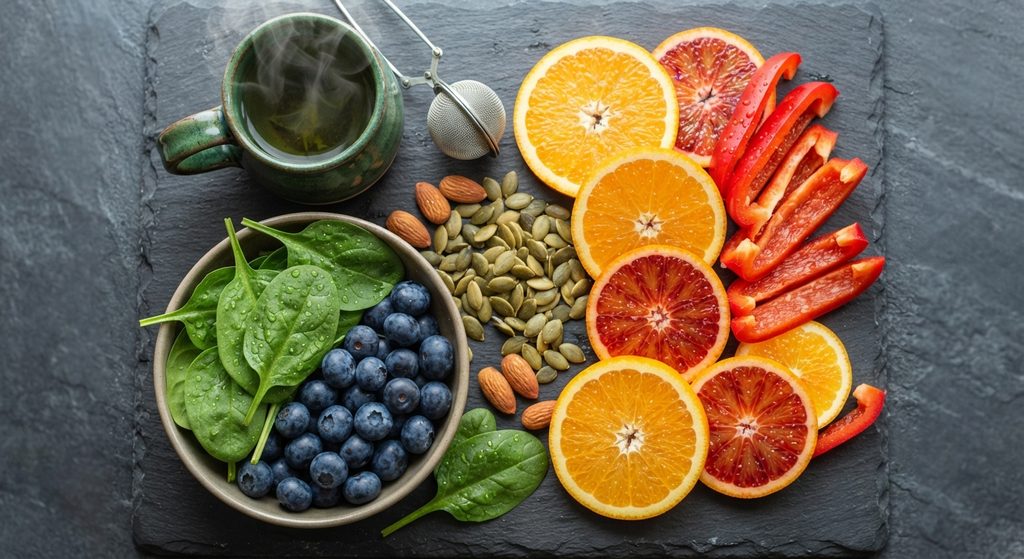
Your immune system is only as strong as the nutrients fueling it. Key immune-supporting micronutrients include:
- Vitamin C (bell peppers, citrus, strawberries) — supports immune cell function
- Vitamin D (fatty fish, fortified dairy, sunlight) — regulates immune response
- Zinc (pumpkin seeds, beef, chickpeas) — critical for immune cell development
- Antioxidants (berries, green tea, dark leafy greens) — combat oxidative stress that weakens immunity
A diet built around whole, varied foods naturally delivers these nutrients in synergistic forms that supplements can’t fully replicate. The NIH MedlinePlus reinforces that consistent nutrition and physical activity together form the cornerstone of a resilient immune system.
Role of Exercise in Immune Function
Moderate, consistent exercise enhances immune surveillance — the body’s ability to detect and respond to pathogens. It promotes better circulation of immune cells, reduces chronic inflammation, and decreases the risk of several immune-related conditions. However, balance matters: extreme over-training without adequate nutritional recovery can temporarily suppress immune function, which is why the diet-fitness pairing is essential, not optional.
6. Sustainable Lifestyle Changes
Creating a Diet and Fitness Plan
One of the biggest reasons people fail at health goals isn’t motivation — it’s a plan that isn’t built to last. A solid diet and fitness plan accounts for your real life: your schedule, food preferences, cooking ability, and exercise history. Rigid, extreme approaches (800-calorie crash diets, daily 2-hour workouts) produce results that evaporate the moment life gets busy.
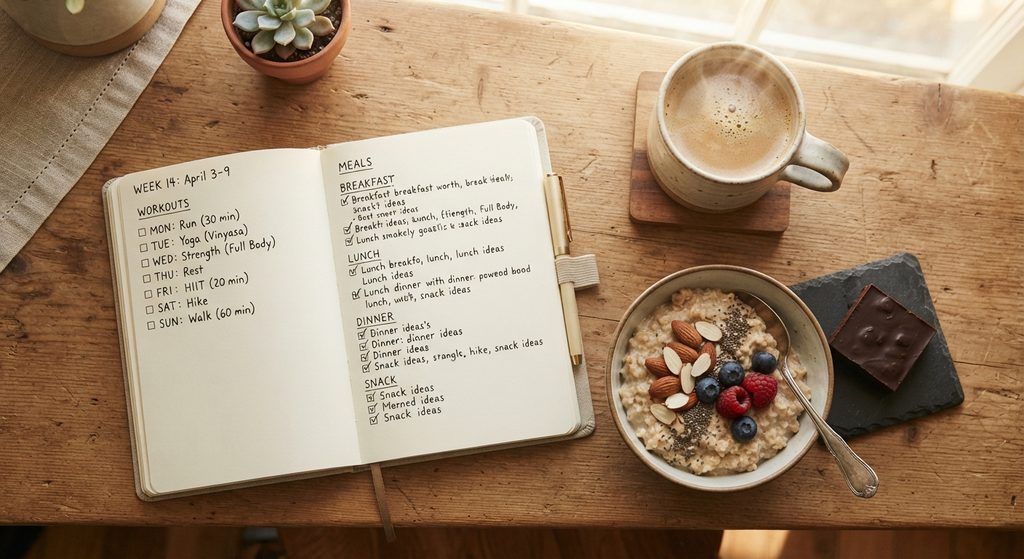
A sustainable framework looks more like this:
- Set realistic, specific goals — “lose 1 lb per week” beats “lose weight”
- Build meals around protein and vegetables first, then fill in with complex carbs and healthy fats
- Schedule workouts like appointments — consistency beats intensity
- Allow flexibility — an 80/20 approach (eating well 80% of the time) is maintainable for years
The Mayo Clinic’s weight loss guidance echoes this: successful, lasting weight management requires both dietary changes and regular physical activity working in tandem.
Importance of Consistency
The secret to long-term results isn’t perfection — it’s consistency. Research consistently shows that moderate, sustainable habits outperform dramatic short-term interventions over a 12-month period. Missing a workout or having a treat meal doesn’t derail progress; stopping entirely does. Building a routine that you can maintain through vacations, stressful weeks, and life transitions is the actual goal.
7. Holistic Well-Being
Mind-Body Connection
Diet and fitness don’t just change how your body looks — they change how you experience being in your body. Regular exercise and quality nutrition improve body image, self-efficacy, and confidence independently of weight changes. People who exercise regularly and eat well report higher life satisfaction, stronger social connections, and a greater sense of control over their lives.
This is the often-overlooked benefit: the psychological identity shift that comes from consistently caring for yourself. You stop trying to be a healthy person and simply become one.

Integrating Diet and Fitness for Total Health
True well-being isn’t a six-pack or a number on the scale — it’s a body that feels energized, a mind that feels clear, and a life that feels sustainable. A fitness and diet plan to lose weight or build strength is really just a doorway into a broader transformation. A 2024 narrative review in Obesity Reviews confirms that while integrated nutrition and regular exercise are foundational for health, their combined effects profoundly influence key metabolic systems in ways that neither approach achieves alone. When diet and fitness are integrated — not as punishments or quick fixes, but as expressions of self-respect — they become one of the highest-leverage investments a person can make in their quality of life.
Conclusion
The evidence is overwhelming: combining diet and fitness produces results that neither can achieve in isolation. From accelerated weight loss and muscle growth to better mental health, a stronger immune system, and a more fulfilling life, the benefits compound across every dimension of health.
The good news? You don’t need to overhaul everything overnight. Start with one small, consistent habit — a daily walk paired with a protein-rich breakfast — and build from there. The most important step is the one that creates momentum.
Your body is designed to thrive. Feed it well. Move it often. And watch what happens.
Frequently Asked Questions (FAQ)
Q1: What is the best diet to combine with a fitness plan?
There’s no single “best” diet, but the most effective eating plans for fitness share common traits: they’re high in lean protein, rich in vegetables and whole grains, and low in ultra-processed foods. Approaches like the Mediterranean diet, high-protein diets, and whole-food plant-based diets all have strong research backing when paired with regular exercise. The best diet is ultimately the one you can maintain consistently.
Q2: How much protein do I need to build muscle while exercising?
Most sports nutrition authorities recommend 1.4 to 2.2 grams of protein per kilogram of body weight per day for people engaged in regular resistance training. For a 150 lb (68 kg) person, that’s roughly 95–150g of protein daily. Distributing this intake across 3–5 meals, including a post-workout serving, tends to produce the best muscle-building results.
Q3: Can I lose weight with diet alone, without exercising?
Yes — technically, weight loss is possible through calorie restriction alone. However, research consistently shows that combining diet with exercise leads to better fat loss, greater muscle retention, and more sustainable long-term results. Exercise also protects metabolic rate during weight loss, which diet alone cannot do. For overall health, physical activity is non-negotiable.
Q4: How long does it take to see results from a diet and fitness plan?
Most people notice initial changes — improved energy, better sleep, reduced bloating — within 2–4 weeks of consistent effort. Visible body composition changes typically become apparent at 6–12 weeks. Meaningful fitness improvements (strength, endurance) are usually measurable within 4–8 weeks. Results vary by individual, but consistency is the single biggest predictor of success.
Q5: Do I need to eat before a workout?
For most people, eating a light meal or snack containing carbohydrates and protein 1–3 hours before exercise improves performance and recovery. However, some individuals do fine exercising fasted, particularly for low-to-moderate intensity workouts. Listen to your body — if you feel dizzy, fatigued, or unable to perform at your best, a pre-workout snack is worth trying.
Q6: What are the best foods to eat after a workout?
Post-workout nutrition should prioritize protein (to repair muscle) and carbohydrates (to replenish glycogen). Great options include Greek yogurt with fruit, a chicken and rice bowl, eggs on whole-grain toast, or a protein smoothie with banana. Aim to eat within 30–60 minutes of finishing your workout for optimal recovery.
Q7: Is it better to do cardio or strength training for weight loss?
Both are effective, but in different ways. Cardio burns more calories during the session itself, while strength training increases your resting metabolic rate over time by building muscle. Research consistently shows that combining both produces superior results for fat loss compared to either alone. A well-rounded routine includes 2–3 days of strength training and 2–3 days of cardiovascular exercise per week.
Q8: How does diet affect mental health and stress?
Diet has a profound effect on mental health through the gut-brain axis. Since approximately 95% of the body’s serotonin is produced in the gut, what you eat directly influences your mood and stress response. Diets rich in whole foods, fiber, and fermented products support a healthy microbiome and better emotional regulation. Ultra-processed foods and added sugars, on the other hand, promote gut inflammation linked to anxiety and depression. Pairing a nourishing diet with regular exercise creates one of the most powerful natural mood-support systems available.
Looking to build your personalized diet and fitness plan? Consult a registered dietitian and a certified personal trainer to create a program tailored to your goals, health history, and lifestyle.